Building types · Class 1 and Class 10
Building types we certify
From a new family home to a backyard pool, choose your building type to see the approval pathway, the inspections and the documents it needs.
Two building classes
Homes and the structures around them
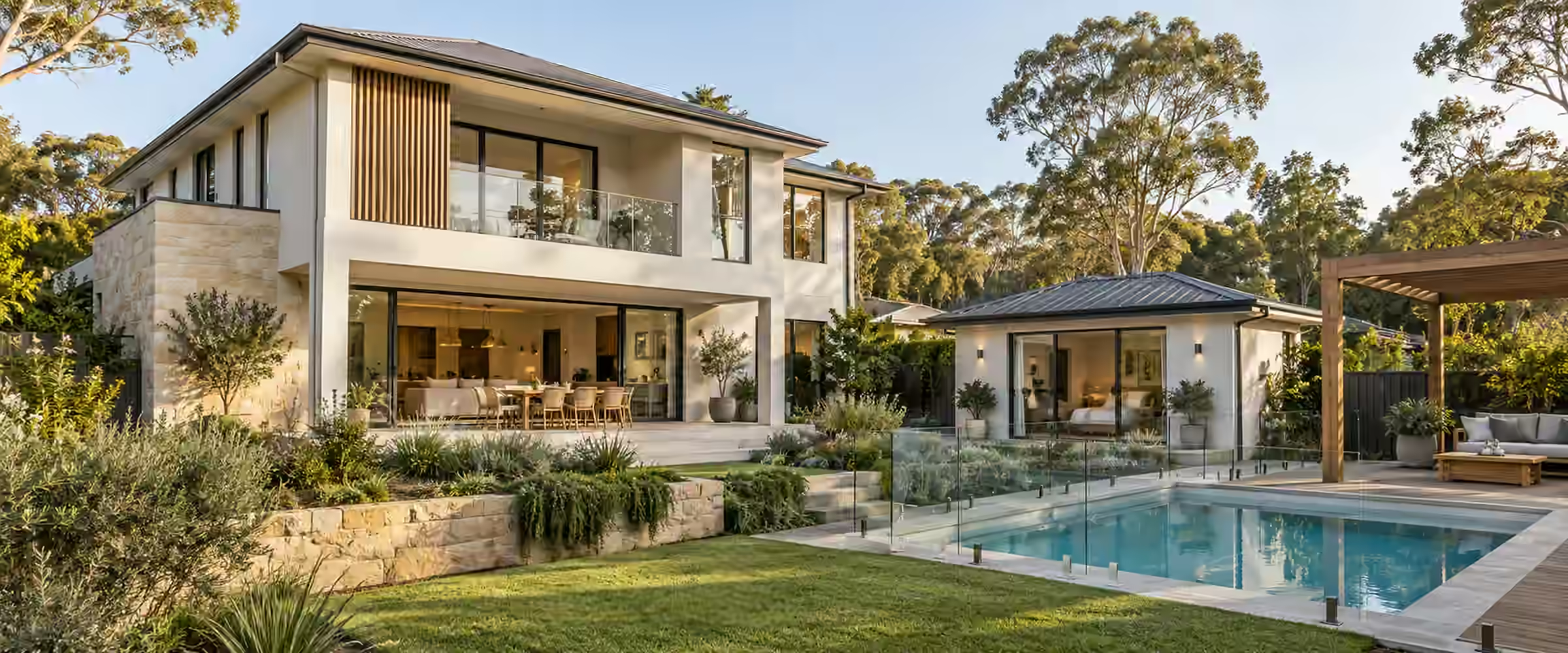
The National Construction Code sorts buildings into classes. We certify two of them: Class 1, which covers houses and small boarding houses, and Class 10, which includes garages, sheds, decks, retaining walls and pools.
The class sets which standards apply and which inspections are required. The lot then shows if complying development is possible or council approval through a DA is needed.
Check your projectClass 1a
Houses, including duplexes, triplexes and townhouses.
Class 1b
Small boarding houses and similar accommodation.
Class 10a
Garages, carports, sheds and other outbuildings.
Class 10b
Pools, fences, decks and retaining walls.
Homes and dwellings
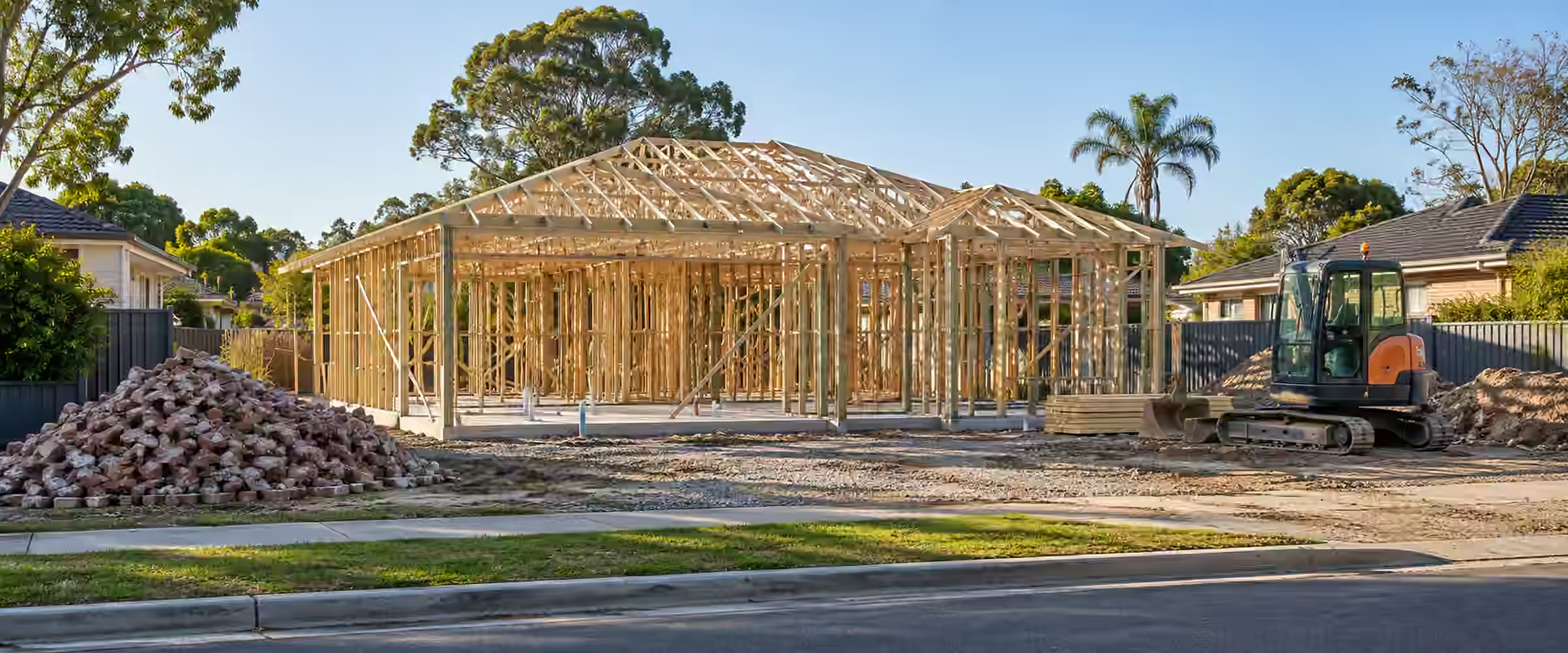
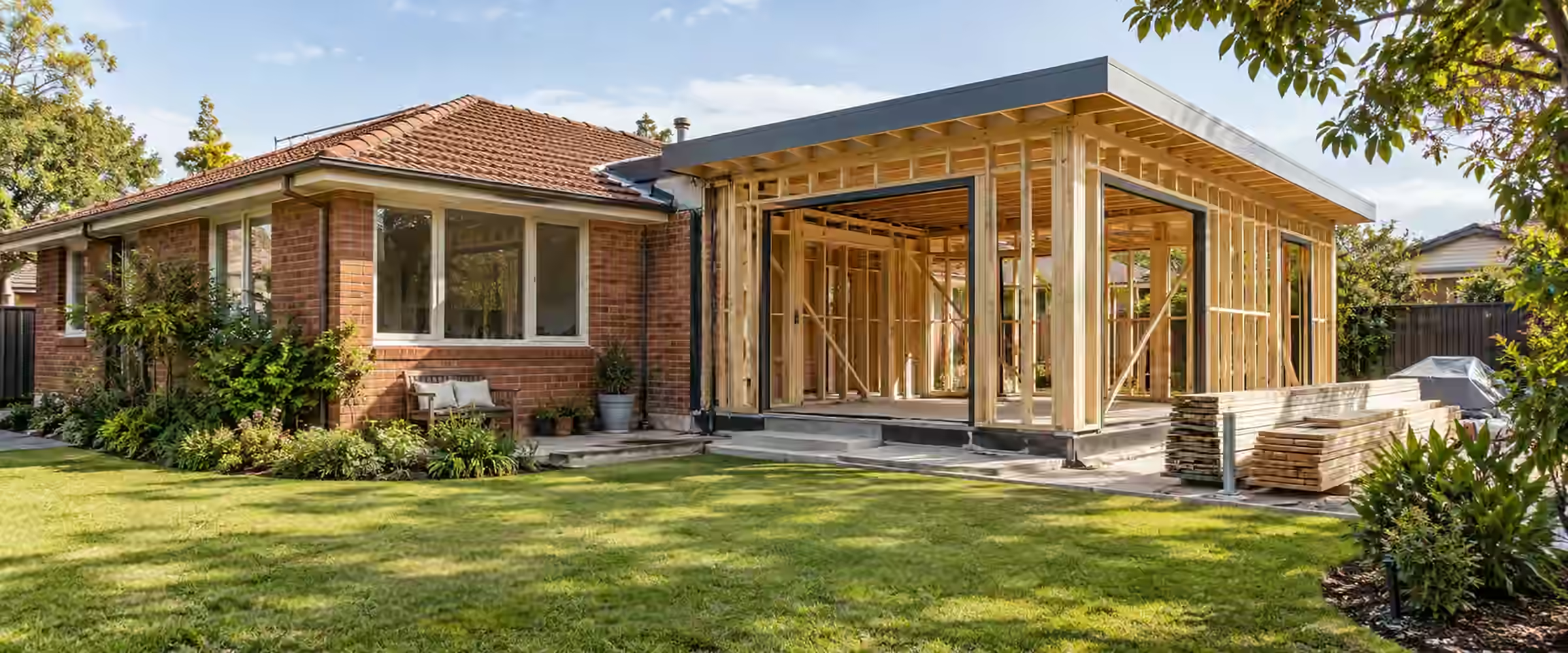
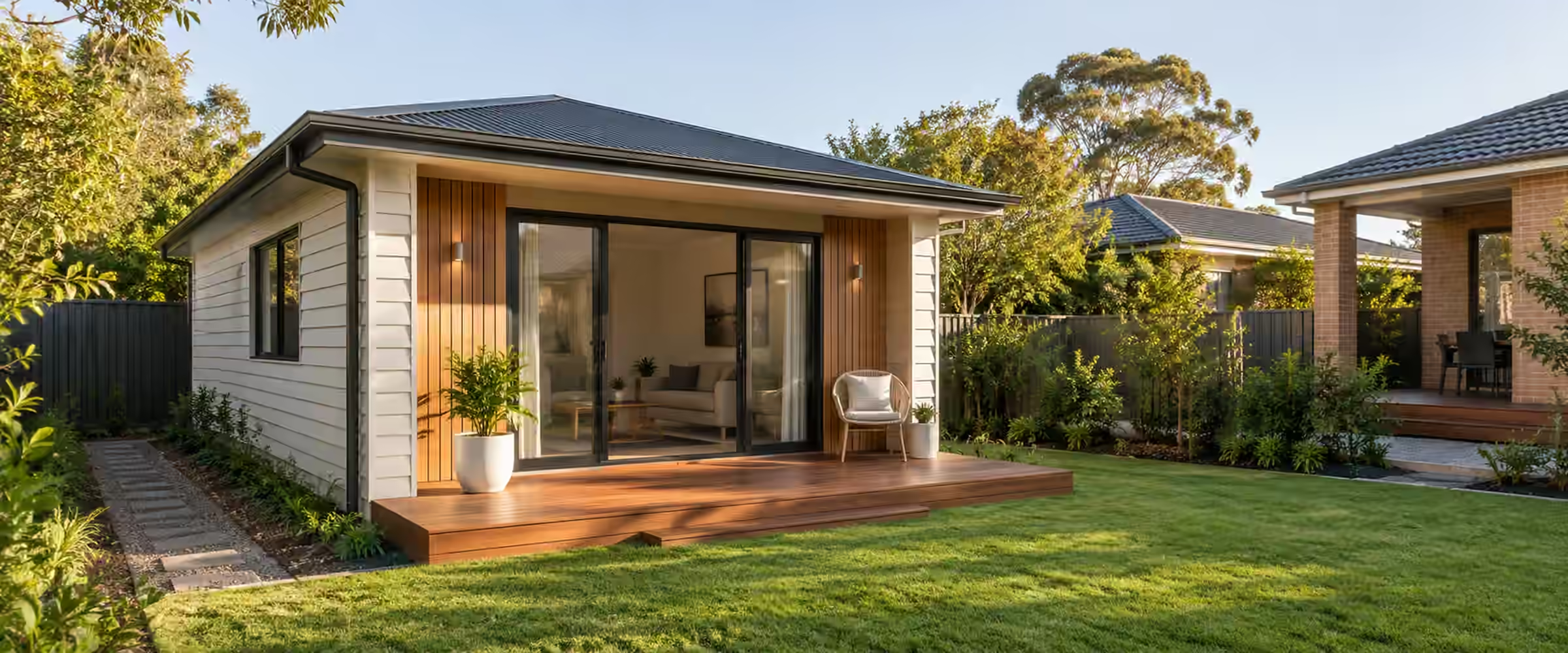
New homes, rebuilds and additions.
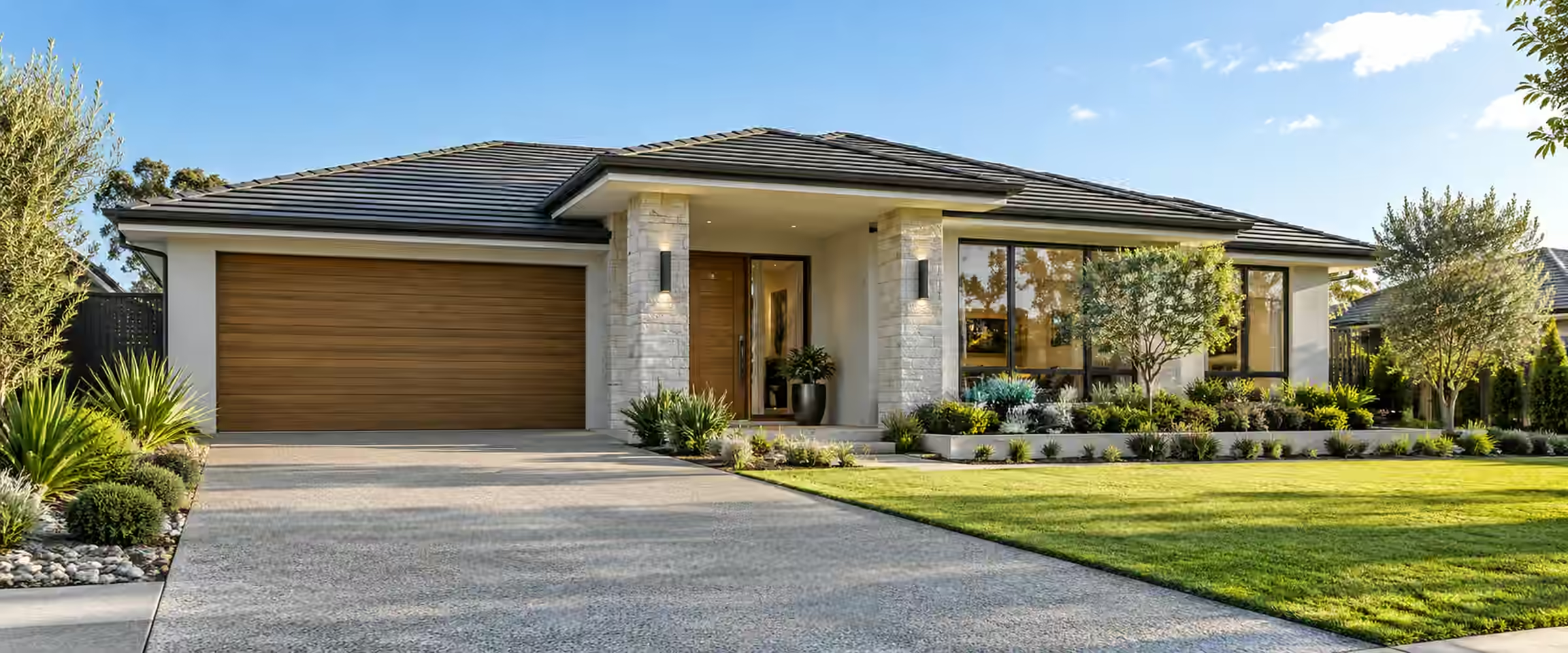
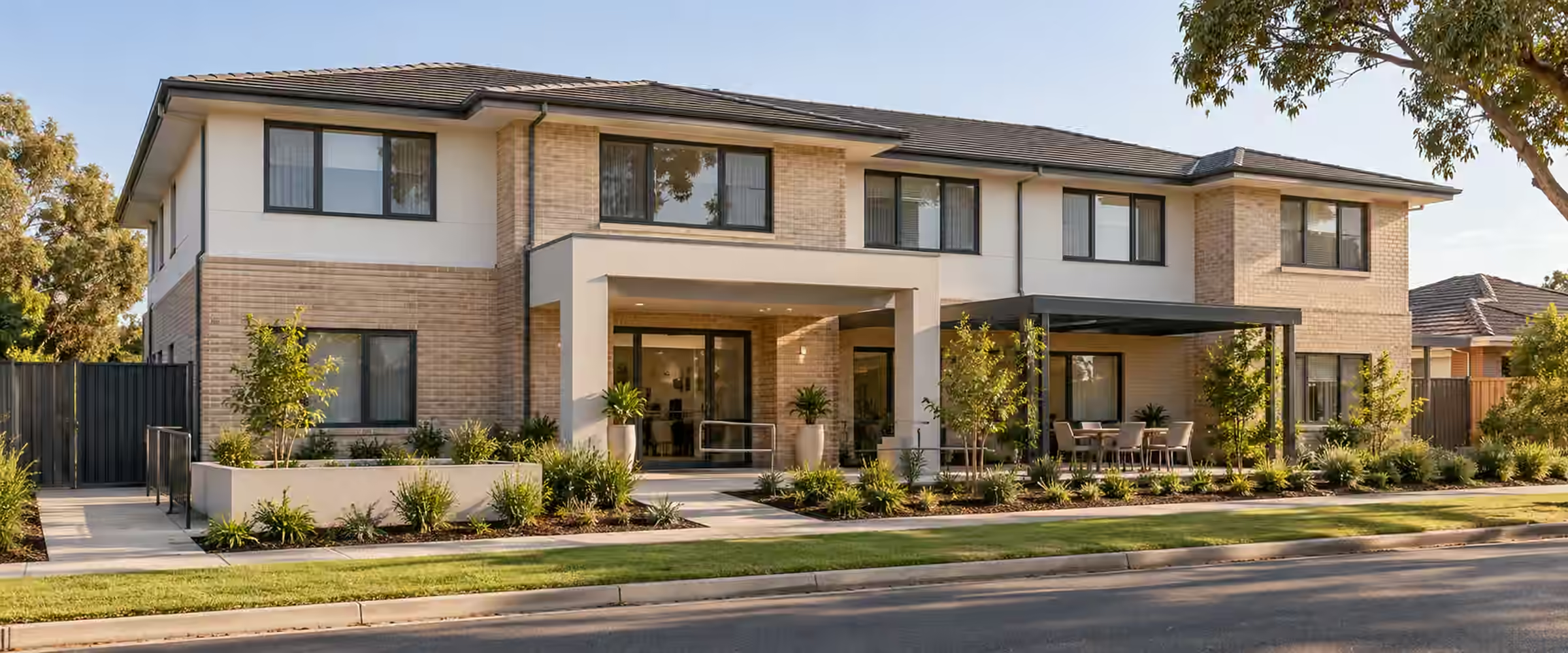
Single dwellings, rebuilds, extensions and secondary dwellings on one lot.
More than one home
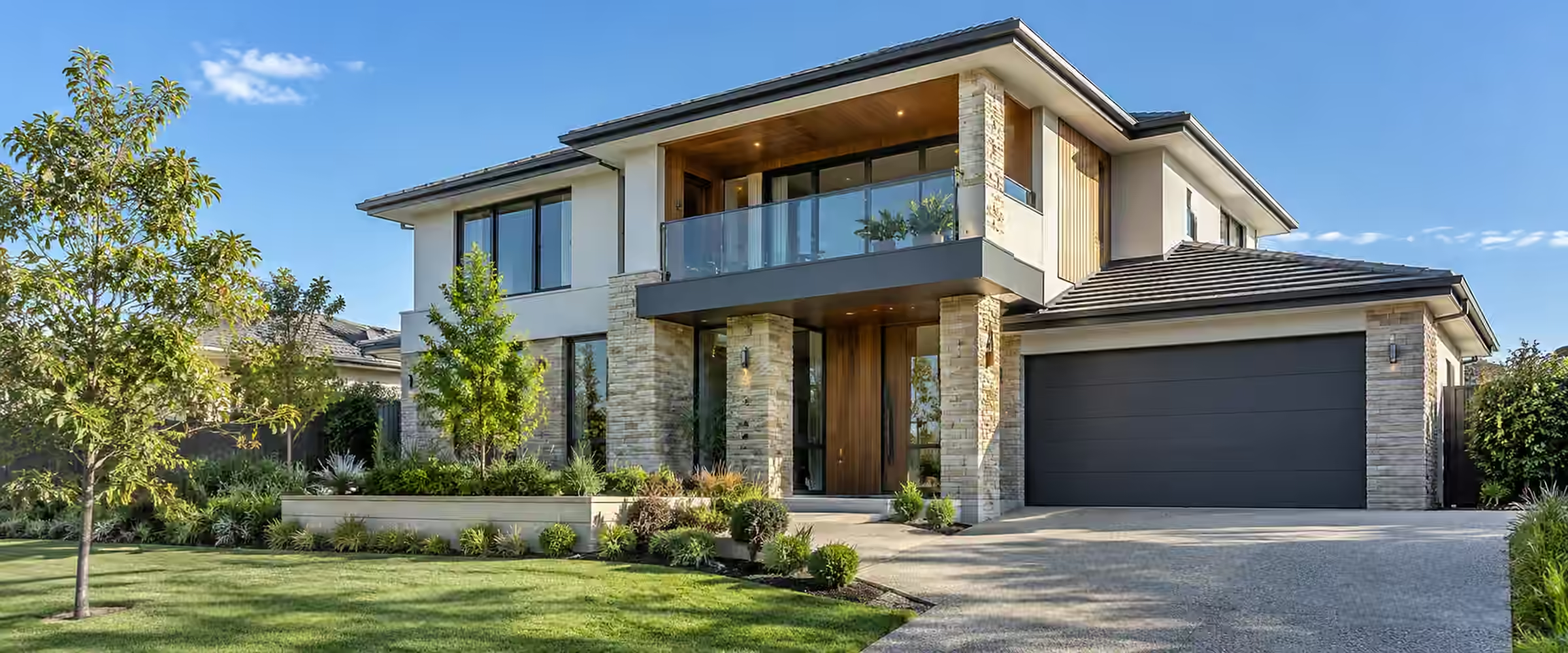
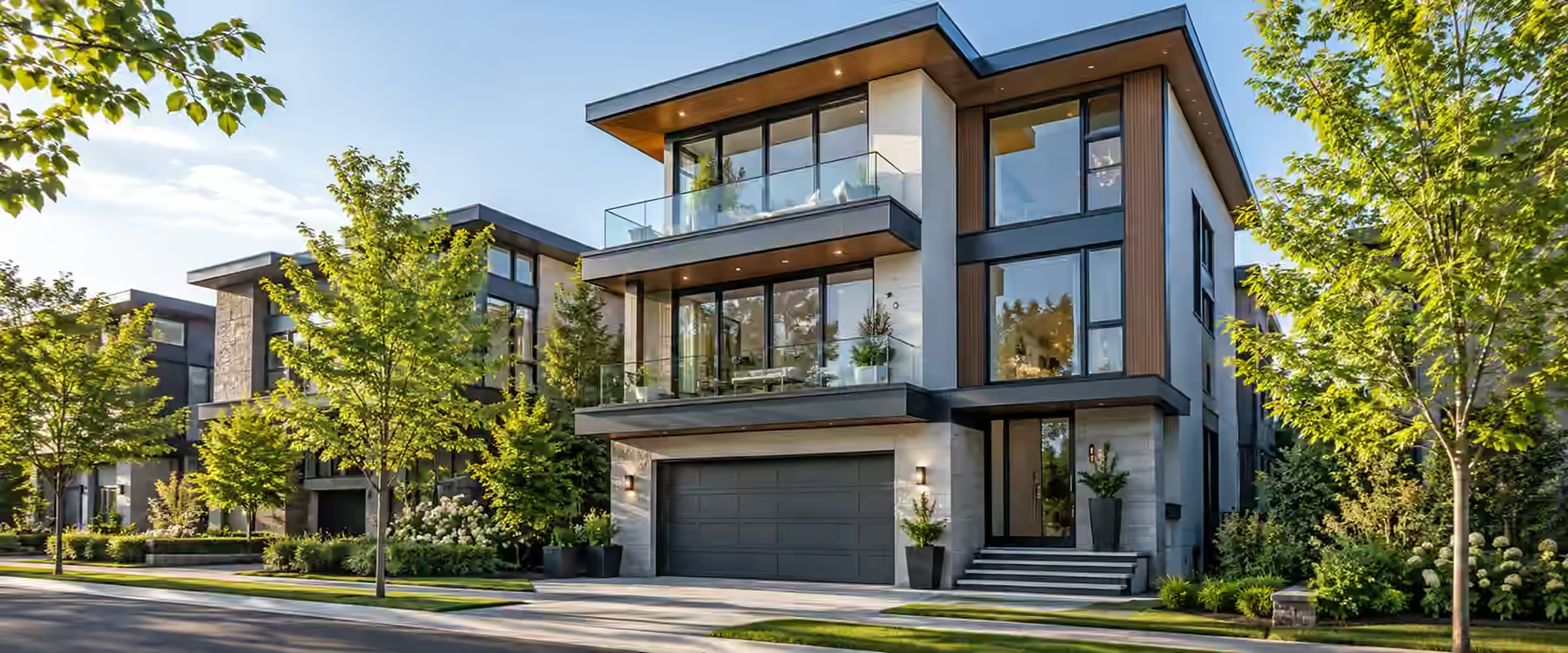
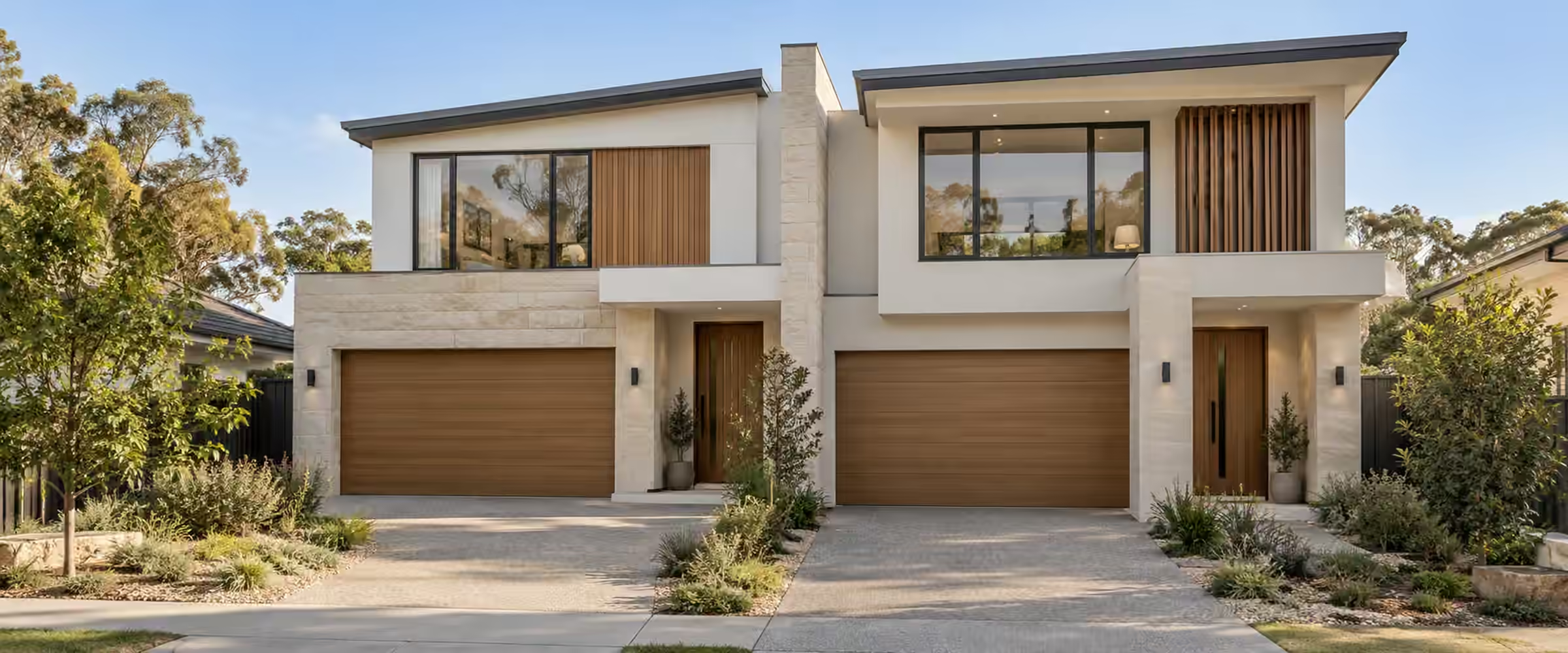
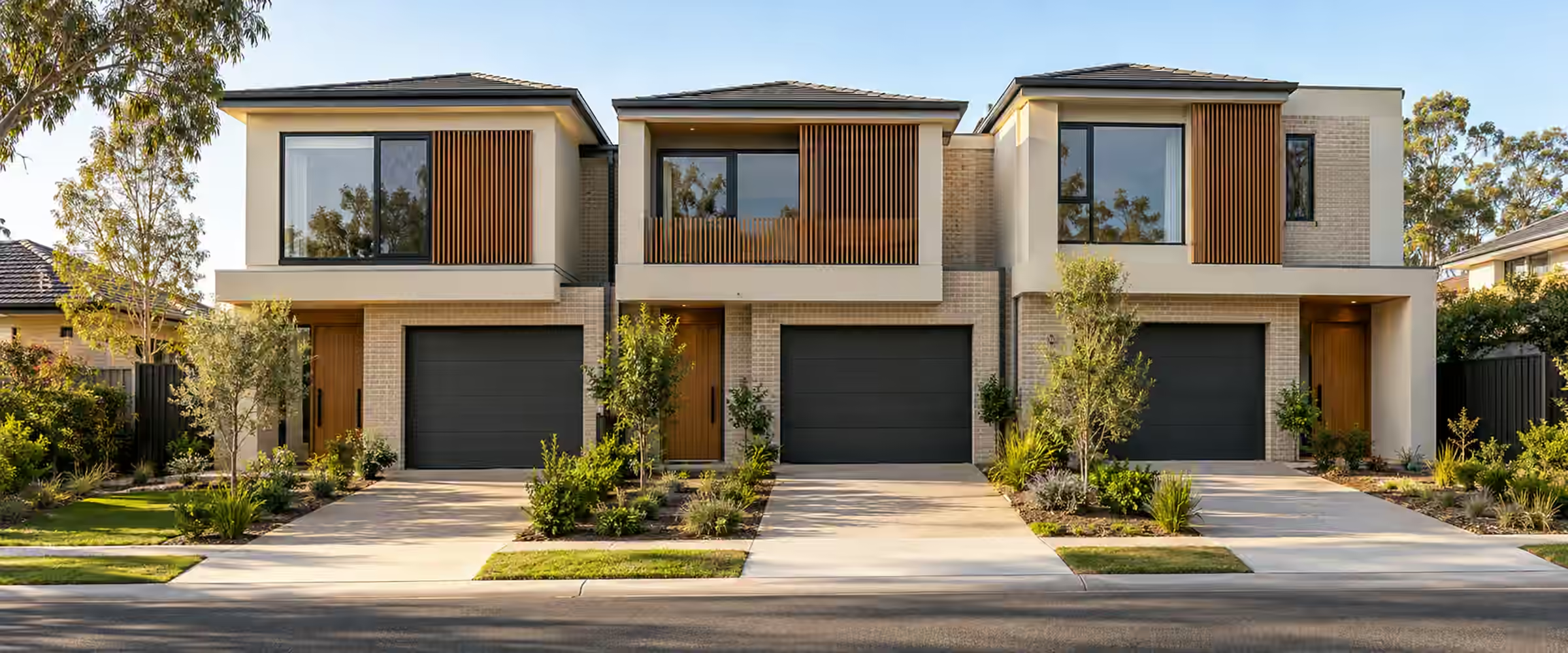
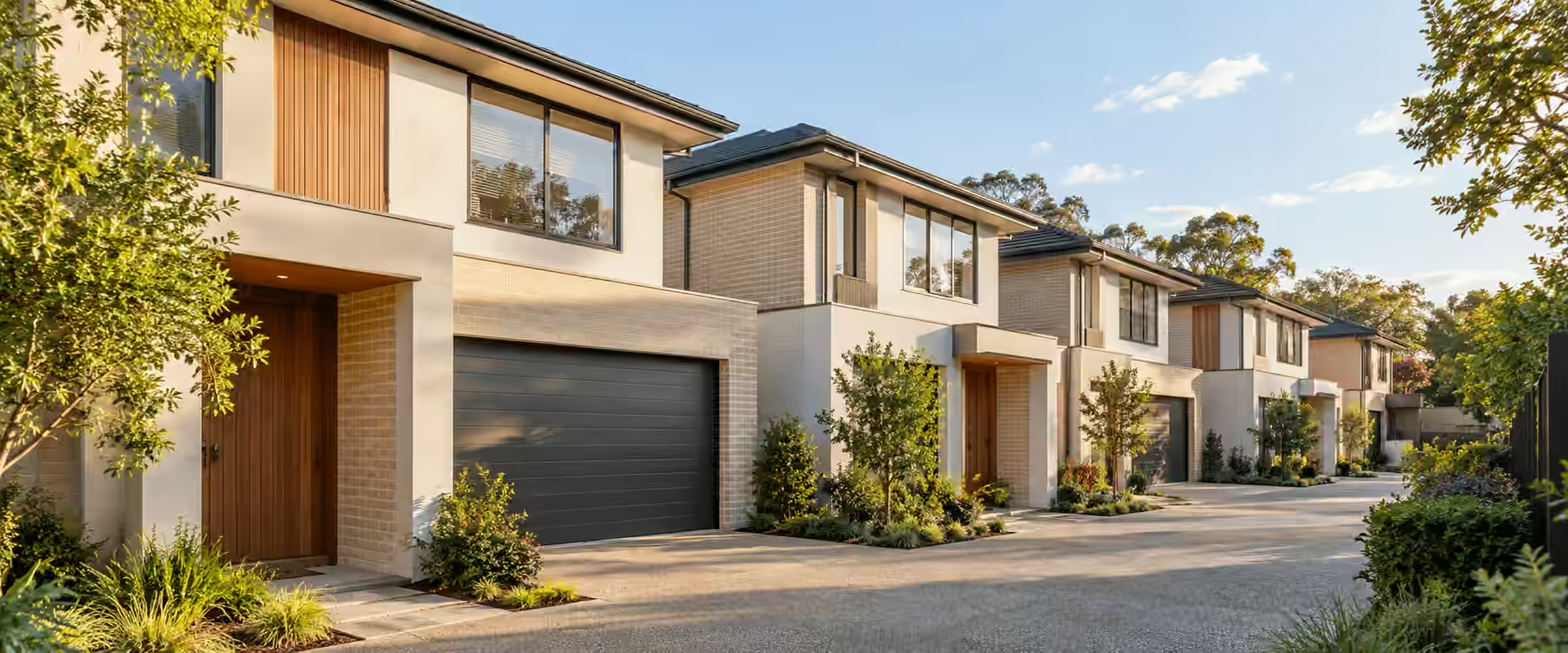
Duplexes, triplexes and townhouses.
Attached dwellings require fire separation from each other and careful staging through to occupation.
Outdoor structures
Pools, outbuildings and outdoor living.
Class 10 work, from structures that may be exempt to those needing full approval.
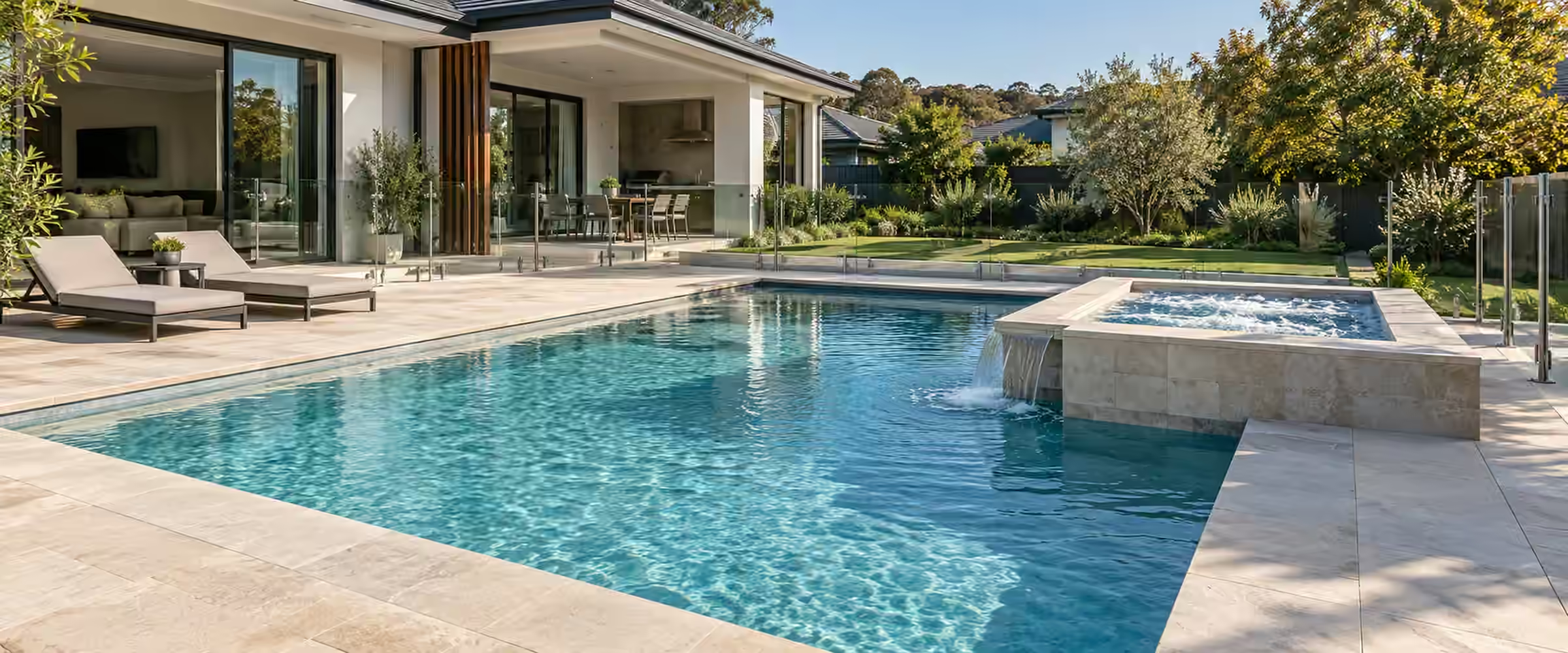 Swimming pools and spasView pools and spas
 Garages and carportsView garages and carports
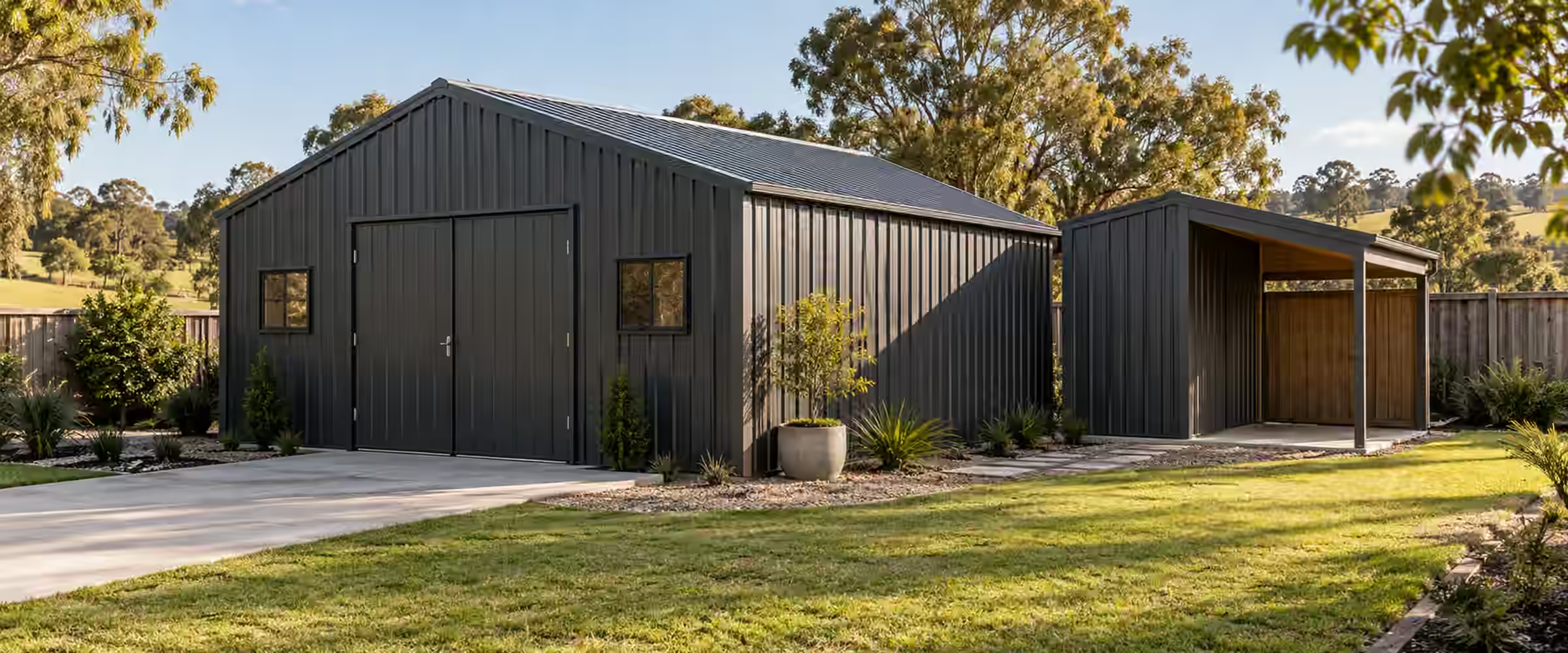 Sheds and outbuildingsView sheds and outbuildings
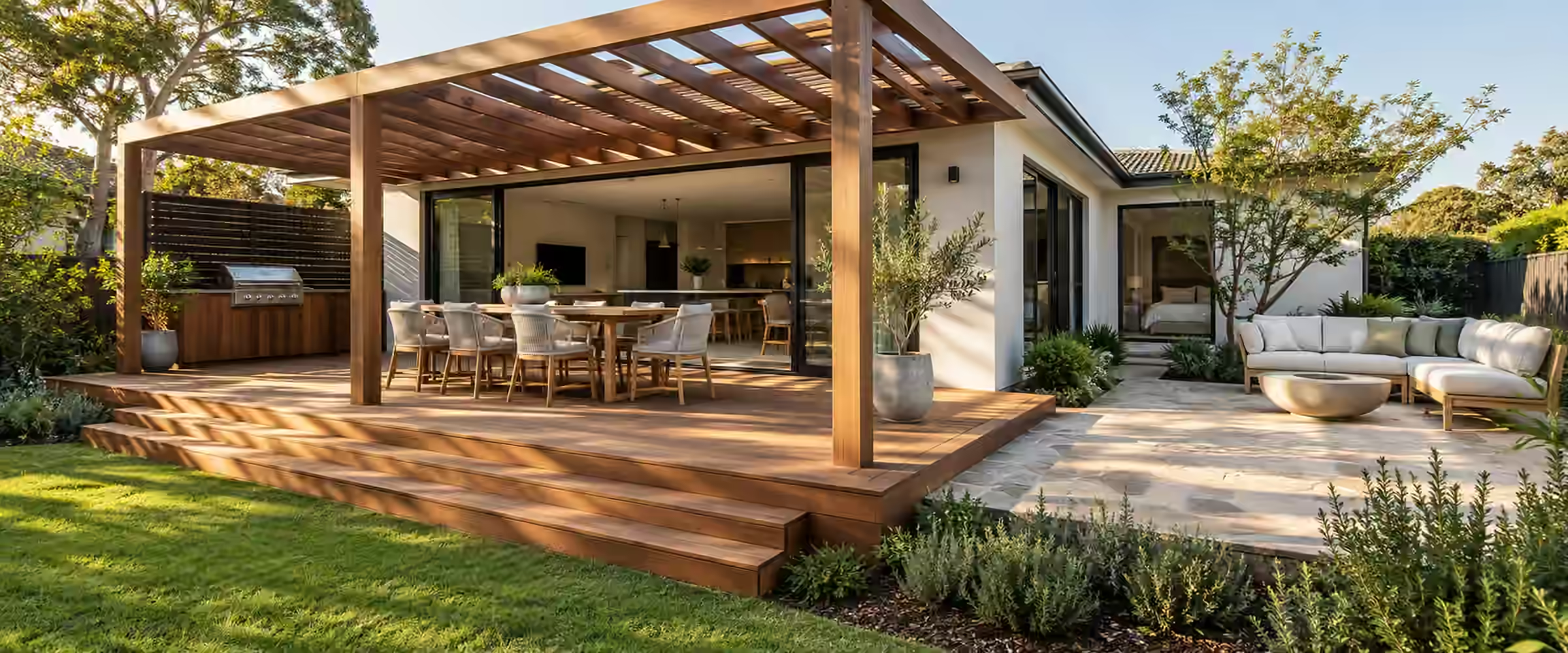 Decks, pergolas and patiosView decks and pergolas
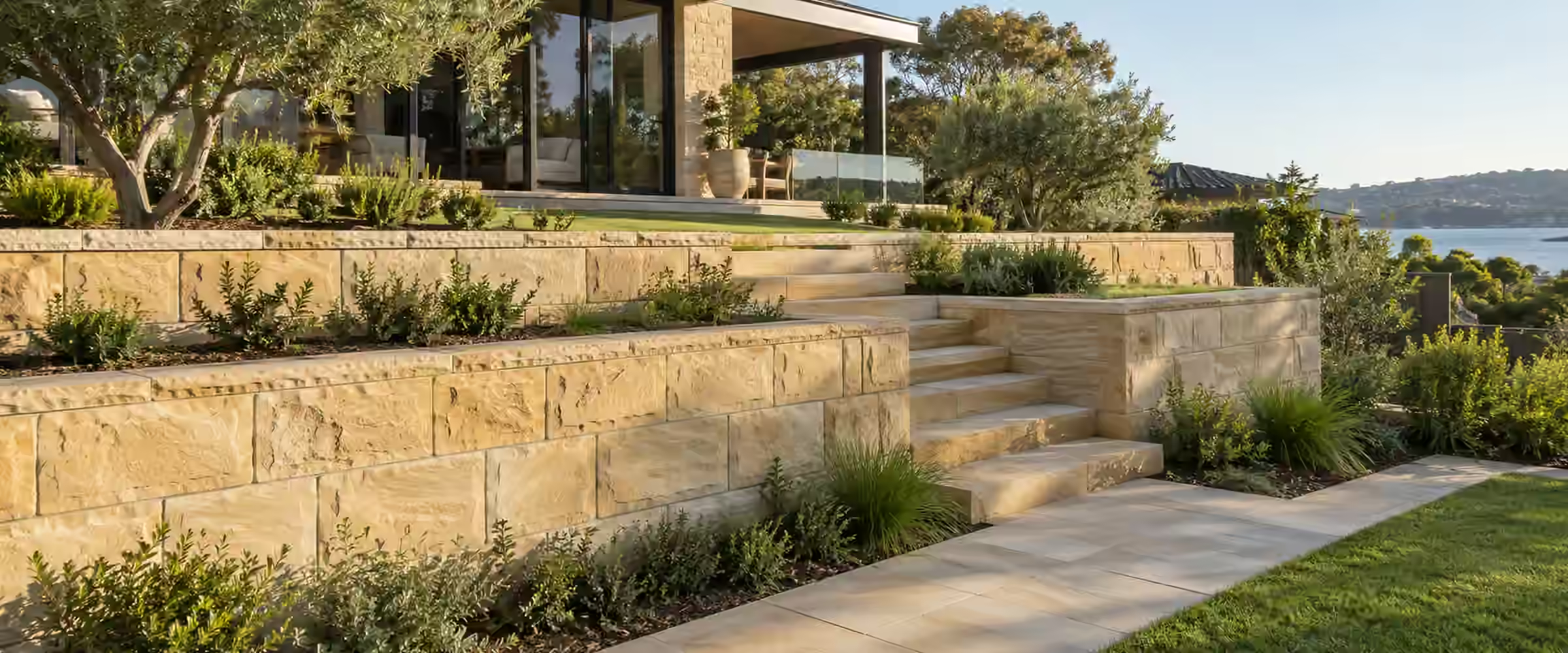 Retaining wallsView retaining walls
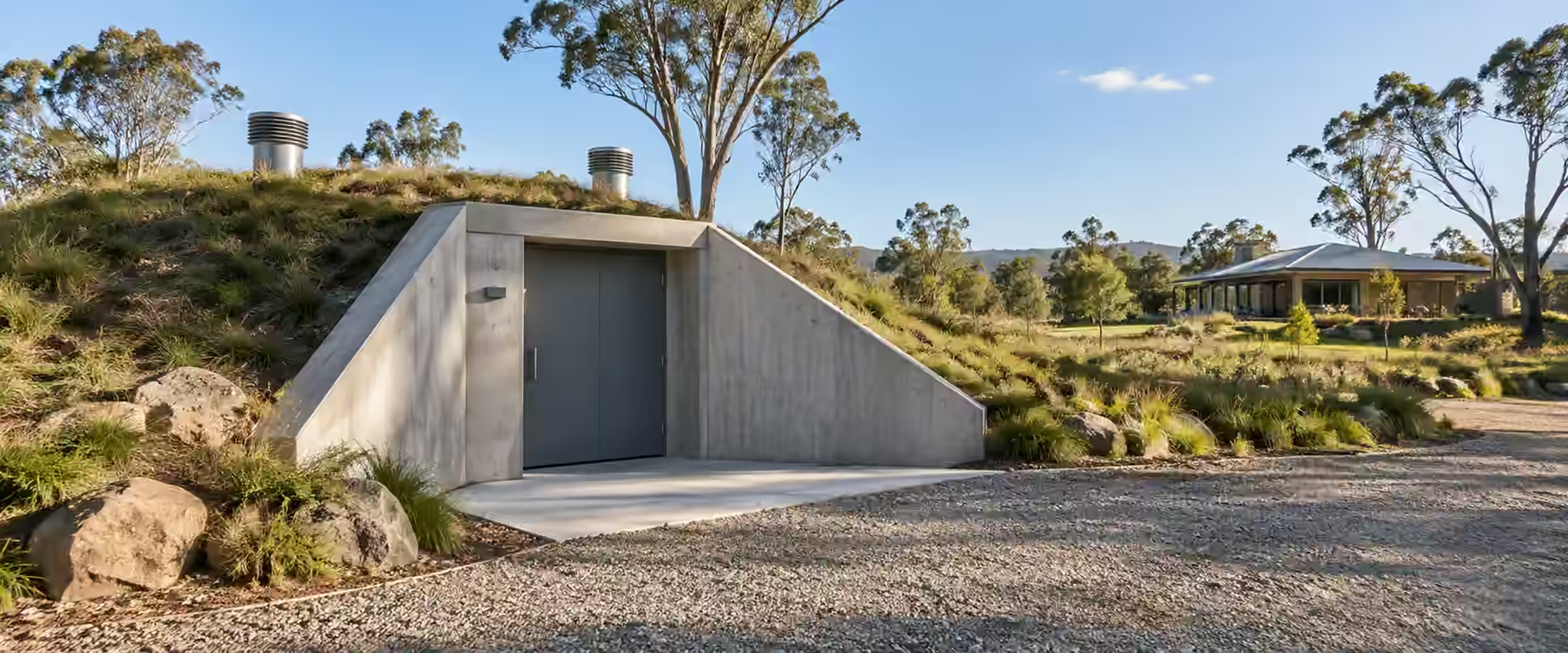 Private bushfire sheltersView bushfire shelters
 Not sure which applies?Start with a plan check
Why the type matters
What changes from one type to the next
Three things the building type decides.
Standards
The rules that apply
A house, a pool and a retaining wall are each tested against different standards.
Inspections
Which stages are checked
We only inspect the stages your job actually includes. With a pool, the barrier also gets inspected.
Completion
What is needed at the end
Trade certificates and records differ by type, so collect them as each trade finishes.
Building classes
What class is your building?
Every building has a class under the National Construction Code (NCC), the national building code. Working out the class is a certifier's first step. It decides which rules apply from design to completion.
Sources: Building classification, Part A6 of NCC 2022 Volume Two; ABCB guide to building classifications (Understanding the NCC); NSW Government: National Construction Code building classifications; NSW Planning: Garden sheds and similar structures, rules for exempt development. General information only; requirements depend on your lot, design and approval.
Class depends on use, not looks
A building is classed by what it is designed, built or changed to be used for. If parts of a building have different uses, each part gets its own class. If the right class is unclear, the approval authority decides.
A Class 1 house cannot sit above or below another home or another type of building, except a private garage. So a house above a shop is not Class 1.
Class 1a and Class 1b
Class 1a is a single home. It covers a detached house, and attached homes like townhouses where each home is separated by a fire-resisting wall.
Class 1b covers two different things. The first covers small boarding houses, guest houses or hostels that normally house no more than 12 people and have no more than 300 m² of floor area. The second is four or more homes on one lot used for short-term holiday stays, with no floor area limit.
Class 10: garages, sheds, pools and more
Nobody lives in Class 10 buildings and structures. Class 10a covers buildings like a private garage, carport or shed. Class 10b covers structures like a fence, mast, antenna, swimming pool or retaining wall.
A private bushfire shelter falls under Class 10c. It sits near a Class 1a home but is not attached to it, and gives some protection to people with nowhere else to go. These shelters have their own national standard, so get advice early.
Mixed uses and why the class matters
Some buildings have multiple classes. Such a building must then meet the rules for each, and where they clash the stricter rule applies. A minor part using less than 10% of a storey's floor area can usually take the main class of that storey, though some uses are excluded.
A sleepout located on a house's lot is classed with that house. A small toolshed for hobbies or home repairs is Class 10. A home built over a garage has its own fire separation rules.
Garden sheds built without approval are not for living in. Fitting out a shed or garage as living space changes its class. It then needs the right approval and must meet the rules for living areas in a house.
Your questions, answered
Building types, explained.
Short answers on how the type of building shapes certification.
Ask us about your projectWhat is a Class 1 building?
In National Construction Code (NCC) terms, Class 1 means a home. Class 1a is a single dwelling. That can be a freestanding house. It can also be an attached dwelling such as a duplex, townhouse or terrace, with a fire-resisting wall between each one. Class 1b takes in guest houses, hostels and small boarding houses that normally hold 12 people or fewer and are no larger than 300 square metres in total, plus four or more short stay holiday homes on one lot. A Class 1 home cannot be stacked on another home or use, except a private garage.
What is a Class 10 building?
A Class 10 building or structure is one that is not lived in, under the National Construction Code (NCC). Class 10a covers non-habitable buildings, for example a carport, shed or private garage. Class 10b covers structures such as swimming pools, retaining walls, fences, masts and antennas. A private bushfire shelter near a home falls under Class 10c. Each subclass carries its own construction requirements, and a pool also brings safety barrier rules. Converting a garage or shed into living space changes its class, which means a new approval is required.
Does every structure need approval?
No. Some small jobs, such as certain garden sheds, decks, pergolas and fences, count as exempt development and can go ahead without any formal approval. To qualify, the work has to meet every one of the state's exempt development standards for that structure, including rules on floor area, height and boundary setbacks. Miss a single standard and you need a development application (DA) or a complying development certificate (CDC) instead. Exempt structures must still be built safely and soundly. Check the standards against your lot before buying a kit or booking trades.
Can one approval cover a house and a pool?
Often, yes. If the house and pool are on one lot and both satisfy the relevant standards, they can usually go into a single complying development certificate (CDC) or a single development application (DA). Each element is still tested against its own rules, and the pool brings extra inspections, including a barrier check before filling. Should either part fail the CDC standards, that part may need a separate DA, or the whole project may go to council. We confirm whether a combined application suits your site when we work out the pathway.
My project is not listed. Can you help?
Most likely, provided it falls within Class 1 or Class 10. This page lists the common building types, yet other homes and non-habitable structures, such as a hobby workshop, a garden storeroom or an unusual outbuilding, belong to the same two classes. Tell us what you plan, the site address and any drawings. We can then confirm the class and the likely approval route. If it turns out to be Class 2 or above, for example apartments or a shop, you will need to find another certifier with registration for it.
Planning a build?
Tell us what you are building.
Share the address, building type and any plans you have. We'll set out the approval route and give you a written quote.