Complying development · Class 1 & Class 10
Complying development certificates in NSW
A single approval that covers both planning and construction for eligible projects. Clear guidance on your site, your plans and the next step.
CDC at a glance
Is a CDC right for your project?
A complying development certificate (CDC) grants both planning consent and building approval in a single document. You can only use it when the lot and the planned works satisfy every fixed standard in the state policy that applies, which for most houses is the Codes SEPP.
CDC applications are tested against set rules, not judged on merit, so a variation cannot be argued. Miss even one standard and the job must be lodged with council as a development application. We test your project against the rules before lodgement, and keep acting as certifier right through to the occupation certificate.
Let's check your projectOne combined approval
One certificate covers both planning and building approval, so you skip the usual DA plus separate construction certificate.
Eligible residential projects
New houses, extensions and renovations, granny flats, dual occupancies, pools and many outbuildings may qualify when each standard is satisfied.
Your site matters
Zoning, land exclusions and mapped constraints such as bushfire, flood or heritage decide whether the pathway is open for your lot.
Assessment comes first
The plans must satisfy every relevant development standard and building requirement before a CDC is granted. Nearly compliant does not count.
A clear way forward
Your project. A considered process.
From the first eligibility check to the occupation certificate, every CDC follows the same six stages.
01
Check eligibility
Before you settle on this route, we check the zoning, site constraints and your design against the code that applies.
02
Prepare and lodge
You provide the plans, survey and reports. We confirm nothing is missing so the application can be assessed in full.
03
Assess the design
We check the drawings against each development standard and building requirement, and visit the site before any decision.
04
Determine the CDC
When everything complies, the CDC is granted and comes with stamped plans and its conditions. Anything missing goes back to your designer to fix.
05
Prepare and inspect
Appoint the principal certifier, meet the pre-start conditions and give the required notices. Critical stage inspections follow as work progresses.
06
Occupation
Once the final inspection and paperwork checks are done, the occupation certificate confirms the building is ready to occupy or use.
Prepare your application
The right documents. A clearer assessment.
We confirm the exact information your project needs before you lodge. Most CDC applications draw on the following, and complete documents mean the assessment can start straight away.
- Architectural plansScaled drawings: site plan, floor plans, sections and elevations, with setbacks and heights marked.
- Survey and property detailsA detail survey with boundaries and levels, plus a copy of the title and a planning certificate under section 10.7.
- Engineering and drainageStructural details and a stormwater plan showing where water is captured and where it drains to.
- BASIX and site reportsA BASIX certificate where required, and bushfire, flood, geotechnical or arborist reports where they apply.
- Owner's consentWritten authority from every owner of the land to lodge the application.
Project-specific pricing
A quote based on your project.
There is no single price for a CDC. Your proposal and your site determine the scope of assessment and certification, so every quote is prepared in writing for the work involved.
- Type and size of the proposed work
- Site conditions and planning constraints
- Plans and supporting documentation
- Inspections and principal certifier scope
What are you planning?
Explore the right pathway for your build.
The kind of project is only a first guide. Your lot and your design determine if the CDC path is available.
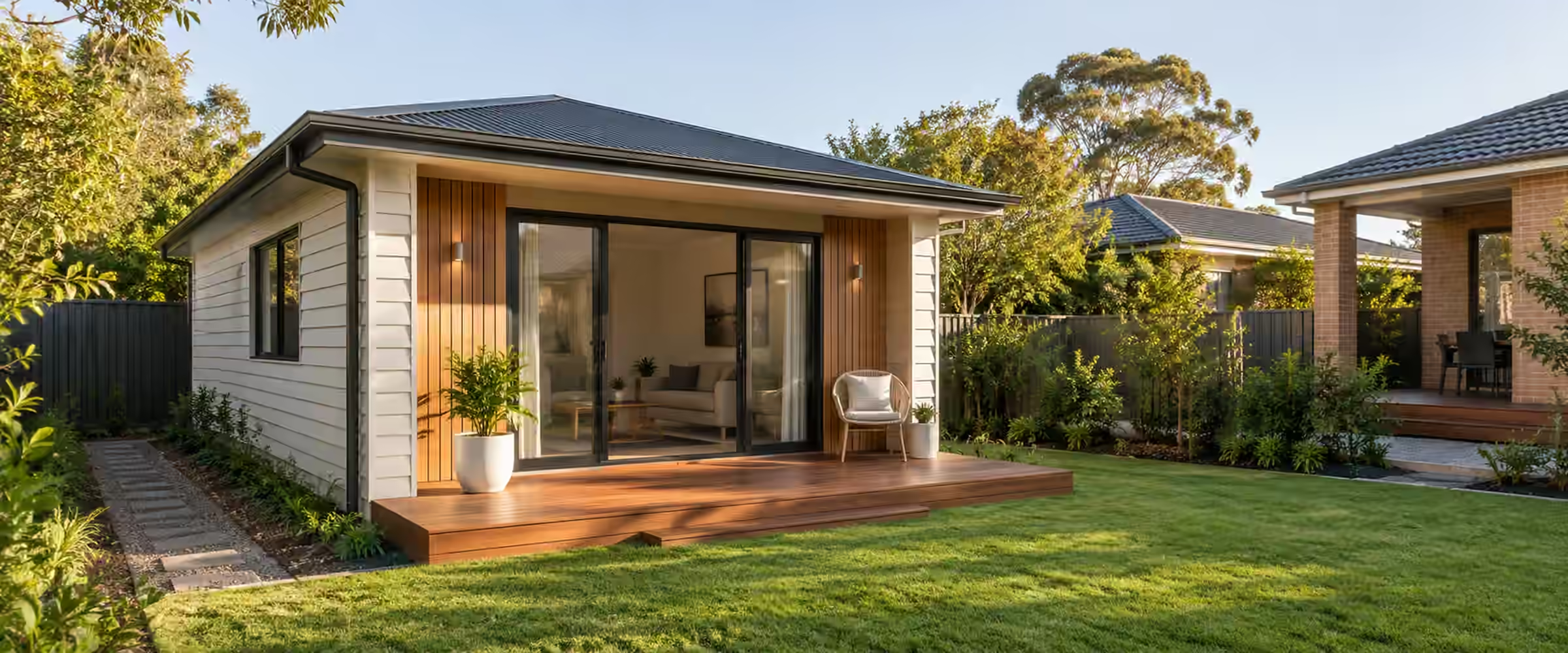
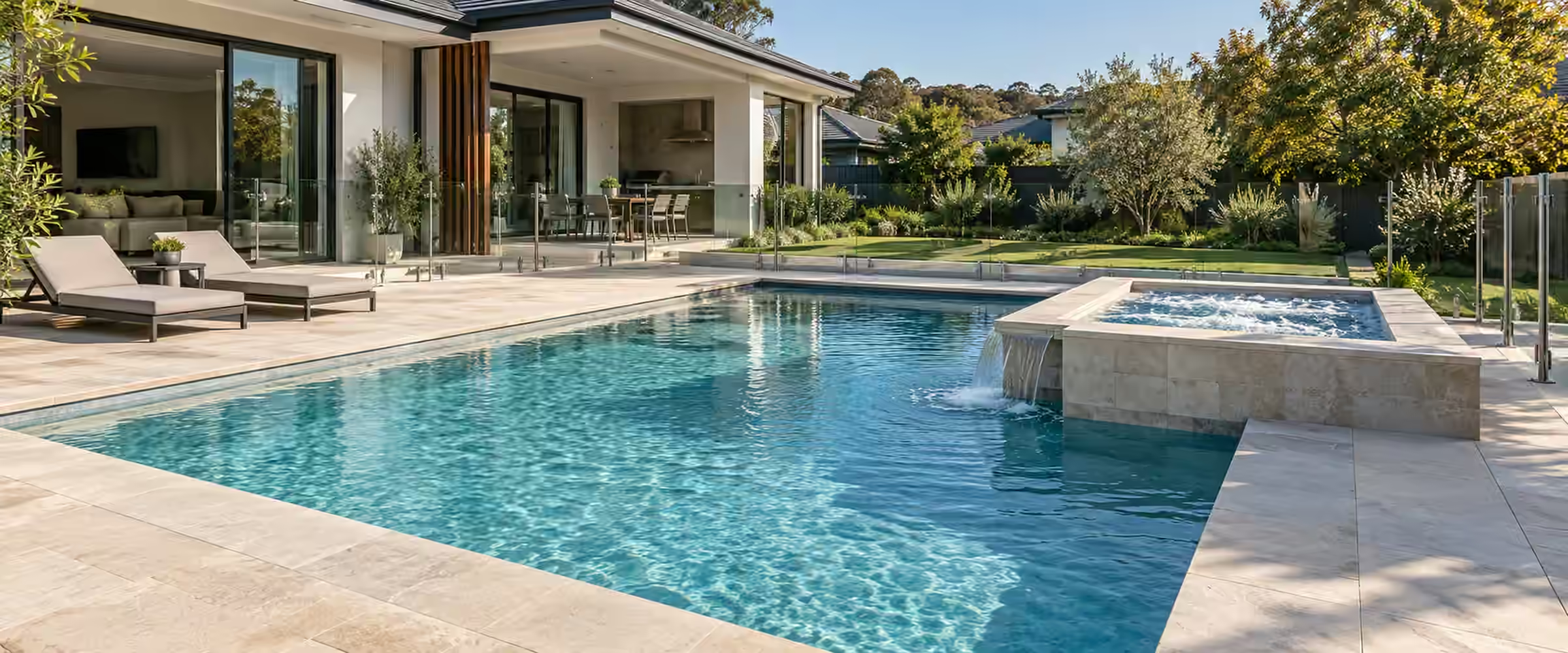
Some sites and proposals cannot use complying development. The standards and land exclusions have to be reviewed lot by lot.
Common issues
What most often holds a CDC up
Most delays and refusals come back to one of three things. Checking them early keeps your project on the right pathway.
The land
Ineligible land
Zoning, land exclusions and mapped constraints come first, ahead of the design itself. A compliant layout cannot fix an ineligible site, so check the lot first.
The design
Standards not met
Each height, setback, floor area and landscaping rule has to be satisfied. Fix any inconsistencies between drawings before you count on a CDC.
The timing
Starting too soon
Getting the CDC is not the green light to start. First the principal certifier must be appointed, pre-start conditions satisfied and the required notices given.
CDC basics
Can my project get a CDC?
A CDC (complying development certificate) is a quicker approval route available from a private certifier or a council. You can only use it if your project matches one of the state's set codes and your land is not excluded. Confirm both before finalising drawings.
Sources: NSW Planning Portal: Housing Code; NSW Planning Portal: Low Rise Housing Diversity guide; NSW Planning Portal: Telling your neighbours; NSW Planning Portal: Inland Code; NSW RFS: BAL rating fact sheet. General information only; requirements depend on your lot, design and approval.
Which code covers my house?
State planning policy is split into several codes. The ones that matter most for houses and outbuildings are: Housing Code, Low Rise Housing Diversity (LRHD) Code, Rural Housing Code, Greenfield Housing Code and Inland Code. Each one sets its own design limits.
In zones R1 to R4 and RU5, the Housing Code covers new houses up to two storeys, renovations and extensions, plus garages, sheds and similar structures. Land zoned rural relies on the Rural Housing Code. The Inland Code is limited to a listed group of inland council areas and covers new homes, renovations and larger farm buildings.
Under the LRHD Code, duplexes, terraces and manor houses are possible in zones R1 to R3 and RU5, provided council's local plan already permits that kind of housing. Duplexes and terraces may be Class 1 buildings. Manor houses place one dwelling above another, which puts them outside Class 1.
Is my land excluded?
On excluded land, no CDC is possible however compliant the design. Excluded land includes heritage items, sites covered by an interim heritage order, critical habitat, wilderness, environmentally sensitive areas, foreshore areas, land reserved for public use, and land where aircraft noise reaches 25 ANEF or more. Heritage conservation areas are restricted too, with limited exceptions.
If the site is bush fire prone, the CDC route closes when the rating is BAL-FZ or BAL-40. This is usually confirmed by a BAL certificate issued by council or by an accredited bushfire consultant. The codes include separate standards for flood-affected lots. Land that is excluded needs a development application (DA) to council instead.
Do the neighbours get told?
For metropolitan lots, neighbours whose land is within 20 metres must receive written notice from the council or certifier no less than 14 days before the CDC is determined. It can be delivered by hand, dropped in the letterbox or sent by post. If a nearby lot contains several dwellings, every occupier is notified. Neighbours can request the plans, but there is no obligation to share them.
In new release areas and most regional and rural areas, there is no formal notice requirement before approval. After the CDC is granted, neighbours within 20 metres must also get written notice from you before any work begins. In metropolitan areas give them 7 days or more, or 2 days in regional, rural and release areas.
How long is the process?
The NSW Planning Portal says an application that meets every requirement can be approved in as little as 20 days. Where the 14-day neighbour notice applies, the CDC cannot issue until that period ends. Missing documents or requests for more information add time. Check the code and exclusions first to avoid paying for an application that cannot succeed.
Lodging through the Planning Portal
Every complying development certificate (CDC) application is lodged on the NSW Planning Portal, and the person lodging needs their own Portal account. Use the same email address for the account and for the applicant contact details, because the Portal sends its automatic messages to that address. If you do not own the land, you must enter contact details for every owner and confirm that you hold their consent.
Fees and terms are not set inside the Portal. They are agreed directly with the certifier, and a certification contract has to be in place before any certification work begins. Submitting the online form does not create that contract. If a certifier declines an application, the Portal lets you copy it and send it to a different certifier rather than starting again.
A state housing and productivity contribution can apply to new housing in four regions: Greater Sydney, Illawarra Shoalhaven, the Central Coast, and Lower Hunter and Greater Newcastle. Where one applies, the certifier advises the amount payable.
Approvals a CDC does not cover
A CDC approves the building work on your lot, but some related work needs a separate approval from another body. These are easy to overlook because they sit outside the code assessment.
Driveways, crossovers and kerb work may need council consent (Roads Act 1993, s 138), or Transport for NSW approval where the road is classified. On-site stormwater and effluent systems need council approval too (Local Government Act 1993, s 68). Where a tree must be removed or pruned and a permit or consent is required, that has to be obtained before the CDC can be issued.
In Greater Sydney, water and sewer matters are dealt with by Sydney Water. Lots inside a mine subsidence district also need sign-off from Subsidence Advisory NSW. Sorting these out early keeps them from holding up the start of work.
When does a CDC expire?
A CDC does not stay open indefinitely. The same five-year period that applies to a development consent also covers CDC work, so the work has to be physically commenced within that time or the approval lapses.
Council guidance on the five-year rule says that survey work, such as placing pegs, does not count on its own, and unlawful work is not accepted as a start. The legislation does not allow the period to be extended.
If a project may sit idle while finance or a builder is arranged, keep the lapse date in view. A lapsed CDC means a new application, assessed against whatever standards and building code edition apply at that later date.
Pattern book homes as complying development
Since 30 July 2025, designs from the NSW Housing Pattern Book can be approved as complying development under a Pattern Book Development Code added to the state policy commonly called the Codes SEPP. The low-rise patterns cover dual occupancies, terraces, multi-dwelling housing and manor houses in zones R1, R2 and R3, where council's local plan already permits that housing type.
This pathway has its own exclusions. Bush fire prone land, flood control lots, battle-axe lots, lots that already have a secondary dwelling, unsewered land and building over a registered easement all rule it out. Only the features each pattern lists as adaptable can be changed.
A design verification statement from an accredited designer or architect must be lodged with the application, and site-specific structural and stormwater engineering is still required. Once all information is supplied, the CDC must be determined within 10 days, and neighbours get at least 7 days' notice first. Manor houses stack one dwelling over another, which takes them outside Class 1, so they need a differently registered certifier.
Proposed variations to CDC standards
Right now the CDC test has no give in it. Fail a single standard and the application has to switch to the development application (DA) route. A proposal to soften this went on public exhibition in May 2026, with submissions closing on 24 June 2026.
Under the proposal, councils could approve minor departures from some standards, such as setbacks, without a full DA, by issuing a variation certificate. A council would have 10 calendar days to assess a variation referred by a certifier, or 20 days where it also assesses the CDC. A variation not decided in time would be treated as approved.
The proposal is listed as under consideration and is not yet law. Until it is made, a CDC application still has to meet every standard in full.
More sources: NSW Planning Portal: How to submit a complying development certificate application; NSW Planning: Guidance for low-rise pattern book users; NSW Planning: Guide to complying development; NSW Planning Portal: Variations and changes to complying development; Willoughby City Council: How long does my development consent last?; NSW Government: How to comply with the National Construction Code. General information only; requirements depend on your lot, design and approval.
Your questions, answered
Understand your next step.
Plain answers to common questions people ask us before they lodge an application.
Ask us about your projectWhat is a complying development certificate?
A complying development certificate is one approval that grants both planning consent and building approval, provided the work meets every relevant standard in a state code. Councils issue them, and so do registered certifiers. The test is fixed, so the application is measured against limits such as height, setbacks and floor area instead of being judged on merit. Both the site and the drawings have to qualify before the pathway opens. Once the certificate issues, a principal certifier still carries out inspections and grants the occupation certificate when the job is done.
Do I need a separate construction certificate?
No, a CDC already includes building approval, so a separate construction certificate (CC) is not required. The plans and specifications are tested against the National Construction Code (NCC) within the CDC assessment itself. CDC applications lodged from 29 July 2025 onward are checked under NCC 2022 Amendment 2. What a CDC does not remove are the later steps: appointing a principal certifier, giving notice before work begins, having the critical stage inspections done and obtaining an occupation certificate before the building is used.
What types of projects can qualify?
Many common home projects can qualify, including one and two storey new houses, extensions, granny flats, dual occupancies, swimming pools, garages and sheds. Since July 2025, some pattern book terraces and dual occupancies can qualify as well. Eligibility rests on two separate tests. The lot must be in a zone the relevant code covers and must not be excluded land. The design must then meet every numeric standard. A modest house on excluded land fails the first test, while an oversized design on an ideal lot can fail the second.
How is a CDC different from a development application?
A CDC is a code check, while a development application is a merit assessment. For a CDC, a council or registered certifier confirms the proposal meets fixed standards and issues one certificate covering planning and building. For a DA, council weighs the design against its local planning controls and other relevant matters, so it can consider a proposal that does not fit a fixed standard. An approved DA then needs a construction certificate before building starts. Private certifiers can issue CDCs, but only council decides a DA.
Will my neighbours be notified?
Yes, in Sydney and other metropolitan areas, written notice goes to neighbours within a 20 metre radius, and the CDC can only be approved once a 14 day period has passed. The council or certifier sends it. Release areas and most of regional and rural NSW carry no formal requirement for this first notice. A second round follows approval: before construction, the applicant must write to the same circle of neighbours, allowing 7 days' notice in the city and 2 days elsewhere. Neighbours can ask for the plans, but a compliant proposal is not open to submissions.
Can work start as soon as the CDC is issued?
No, several steps come first. The owner must appoint a principal certifier, and builders may not pick that certifier or sway the choice. Where council is not the principal certifier, council has to be told of the appointment no later than 2 days ahead of the start. Pre-commencement conditions must be satisfied, neighbours notified, and the long service levy paid on work worth $250,000 or more. A licensed contractor on a contract above $20,000 must also hold home building compensation cover before any deposit is accepted or work starts.
What if my project does not qualify?
If the lot or the design fails a standard, the common fallback is a development application lodged with council, then a construction certificate before building. Sometimes a design change is the simpler fix: lowering a wall, moving a garage back or trimming floor area can bring a proposal inside the code. Where the land itself is excluded, such as a BAL-FZ or BAL-40 bush fire rating or a heritage item, no redesign reopens the CDC route. A written list of each failed standard helps your designer weigh up which path suits the project.
Can approved CDC plans be changed?
Yes, but only through a formal modification, never by informal agreement with your builder. A modification is lodged on the NSW Planning Portal as its own application type, including the original certificate details and an outline of what is changing. If the change affects energy or water commitments, the BASIX (Building Sustainability Index) certificate must be revised to match. If the revised design would no longer meet the code, ask your certifier whether a fresh CDC or a development application is the right step. Keep building to the approved plans until the modification is issued.
After your CDC
Support through the next stages.
Guidance: NSW Planning Portal, complying development and the Codes SEPP. Requirements depend on your project and site.
Guides
CDC guides
CDC neighbour notification: who gets told and when
What to include in a CDC application
Changing your design once a CDC has been issued
Where we work
Complying development certificates across NSW
We work in 39 council areas, from Newcastle and the Central Coast through Greater Sydney and the Blue Mountains to Lithgow, the Southern Highlands and the Illawarra. Local rules shape every approval, so start with your council or suburb.
Council areas
- City of Newcastle
- City of Parramatta
- Hawkesbury City Council
- Kiama Municipal Council
- Ku-ring-gai Council
- Waverley Council
- Willoughby City Council
- Woollahra Municipal Council
Local planning notes by suburb
See all 39 council areasLet's start with your plans
Make your next step a clear one.
Let us know what you intend to build and the site location. Share the address, survey and drawings, and you will get a written quote with the approval pathway confirmed.