Building certification · NSW
All building certification services
Every certificate and inspection a Class 1 home or Class 10 structure needs in NSW, handled by one certifier from the first plan check to the occupation certificate.
What certification covers
An independent check before, during and after the build
Certification shows that a project complies with the rules for its type. It begins with the approval, carries on with inspections during construction, and ends with the certificate that allows the structure to be occupied or put to use.
We work only on Class 1 homes and Class 10 structures, so the checks we carry out are the ones your project actually needs.
How the stages fit togetherBefore work
A CDC, or a construction certificate after a DA.
During work
Critical stage inspections throughout construction.
At completion
The occupation certificate, once every requirement is met.
Our scope
Class 1 homes and Class 10 structures across NSW.
Approvals and certificates
Getting approved to build.
The certificates that let work start, and the reports that deal with work already built.
During and after the build
Inspections through to occupation.
Supervision during construction, then the final sign-off once it is done.
How it works
Three stages, every project.
A new house, a granny flat and a pool all follow this same sequence.
01
Pathway and approval
We work out which path fits, whether exempt, CDC or DA. Next we review the plans and issue the certificate.
02
Appointment and inspections
The owner appoints a principal certifier, notice is given before work starts, and every critical stage gets inspected while it can still be seen.
03
Completion
With the last inspection done and the completion paperwork supplied, the occupation certificate can be issued.
Building types · Homes
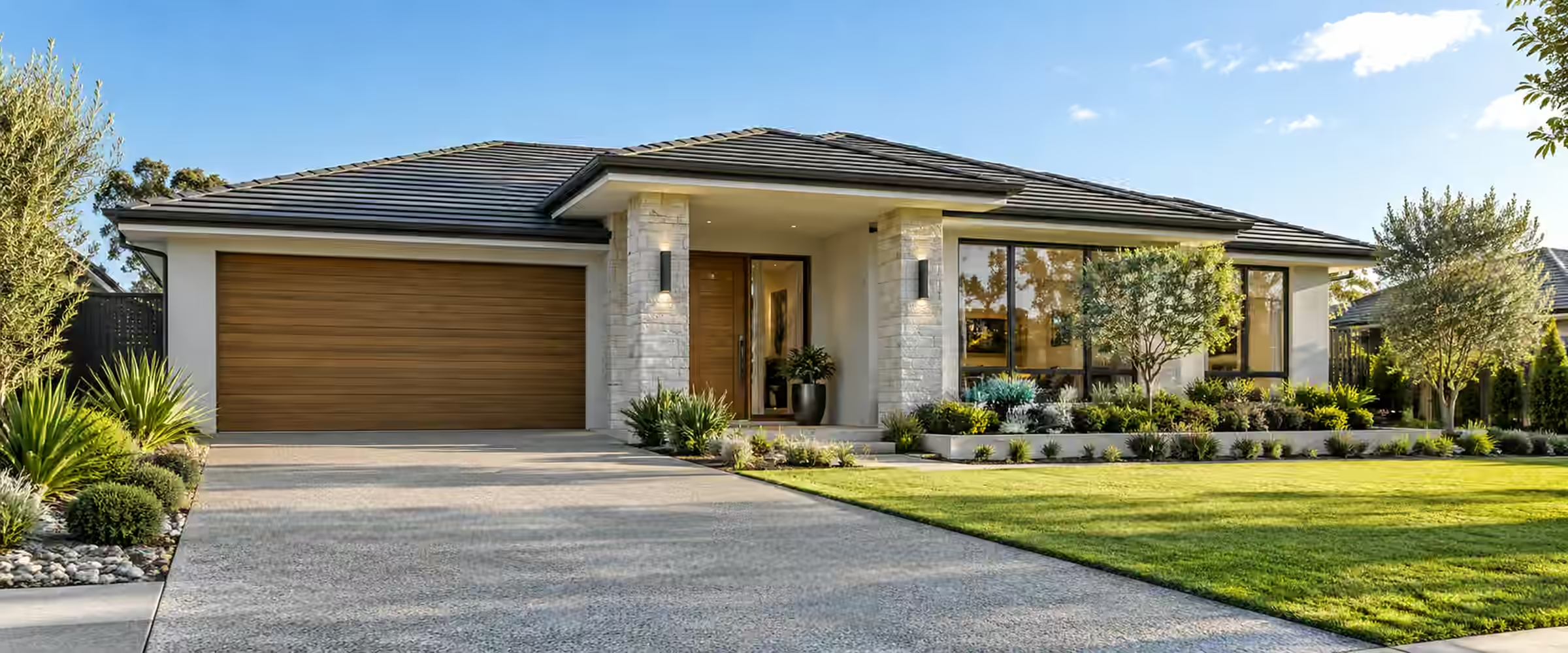
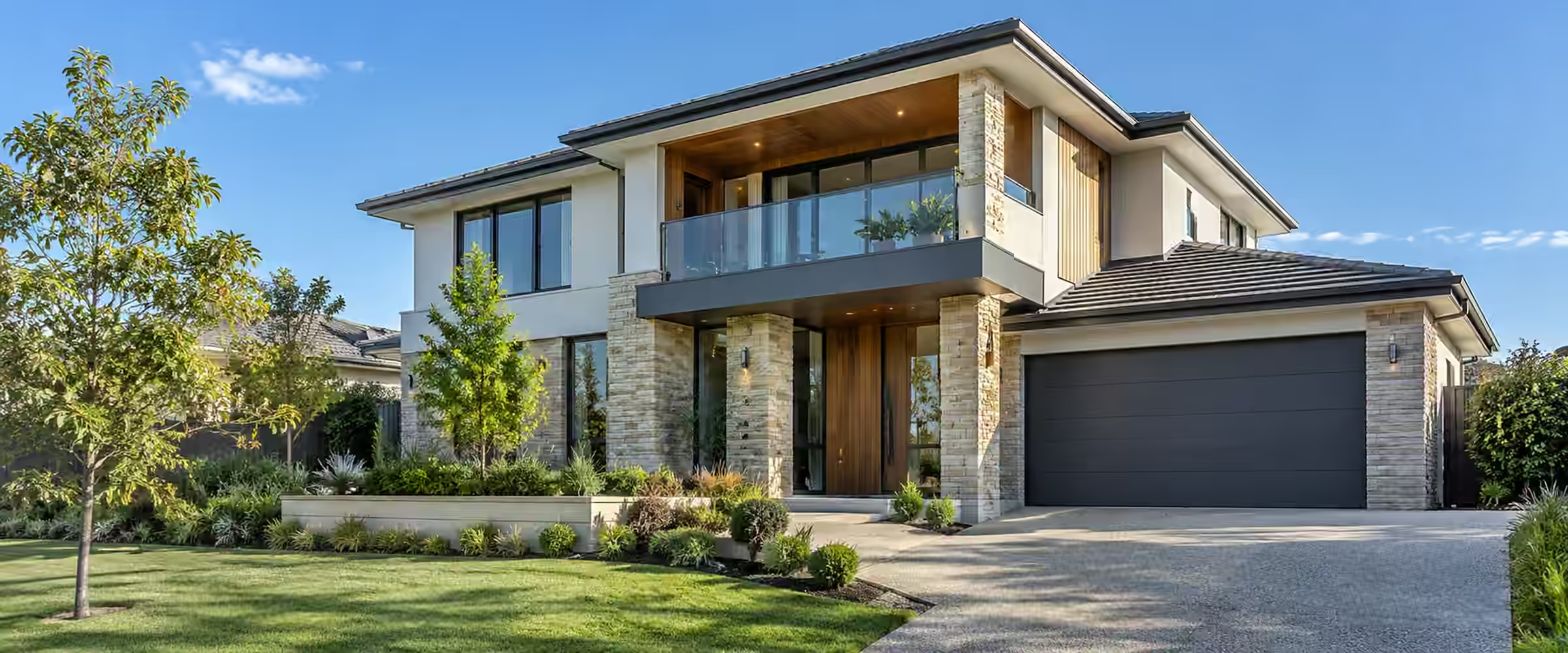
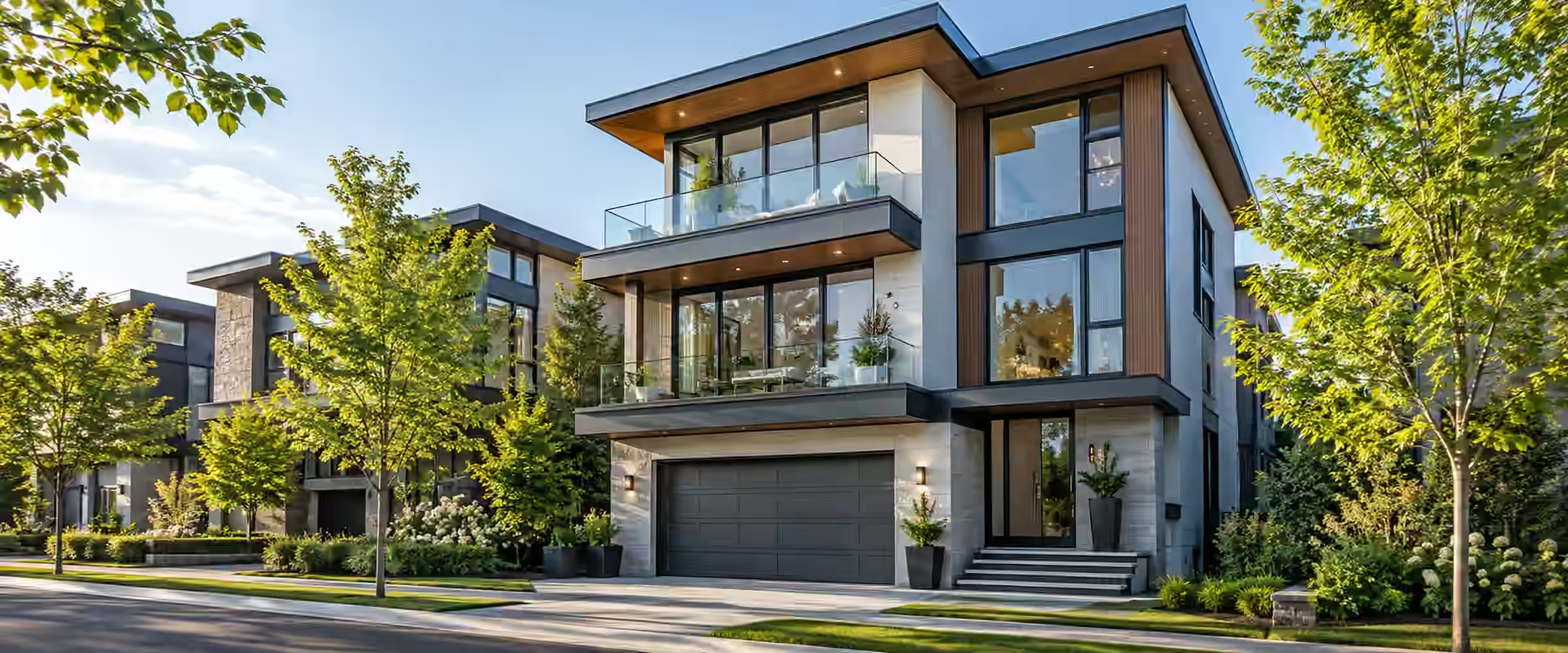
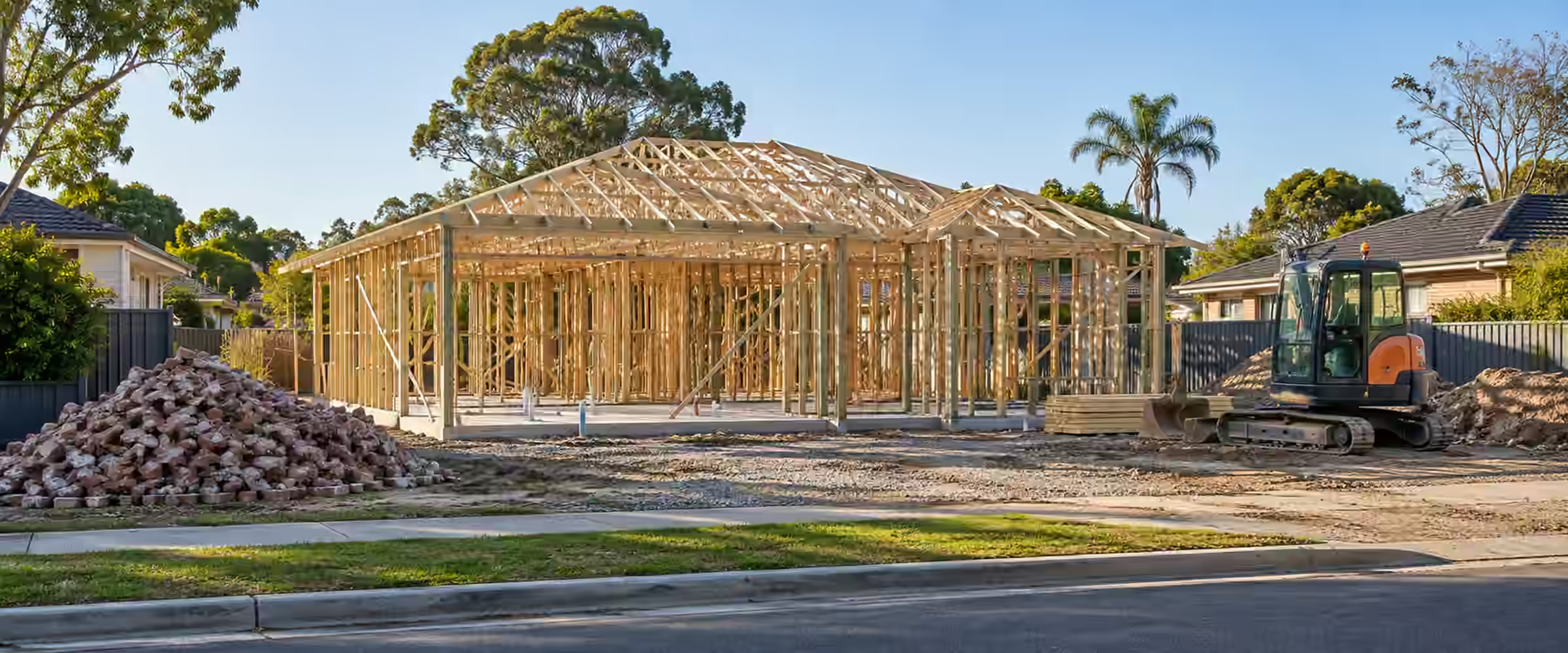
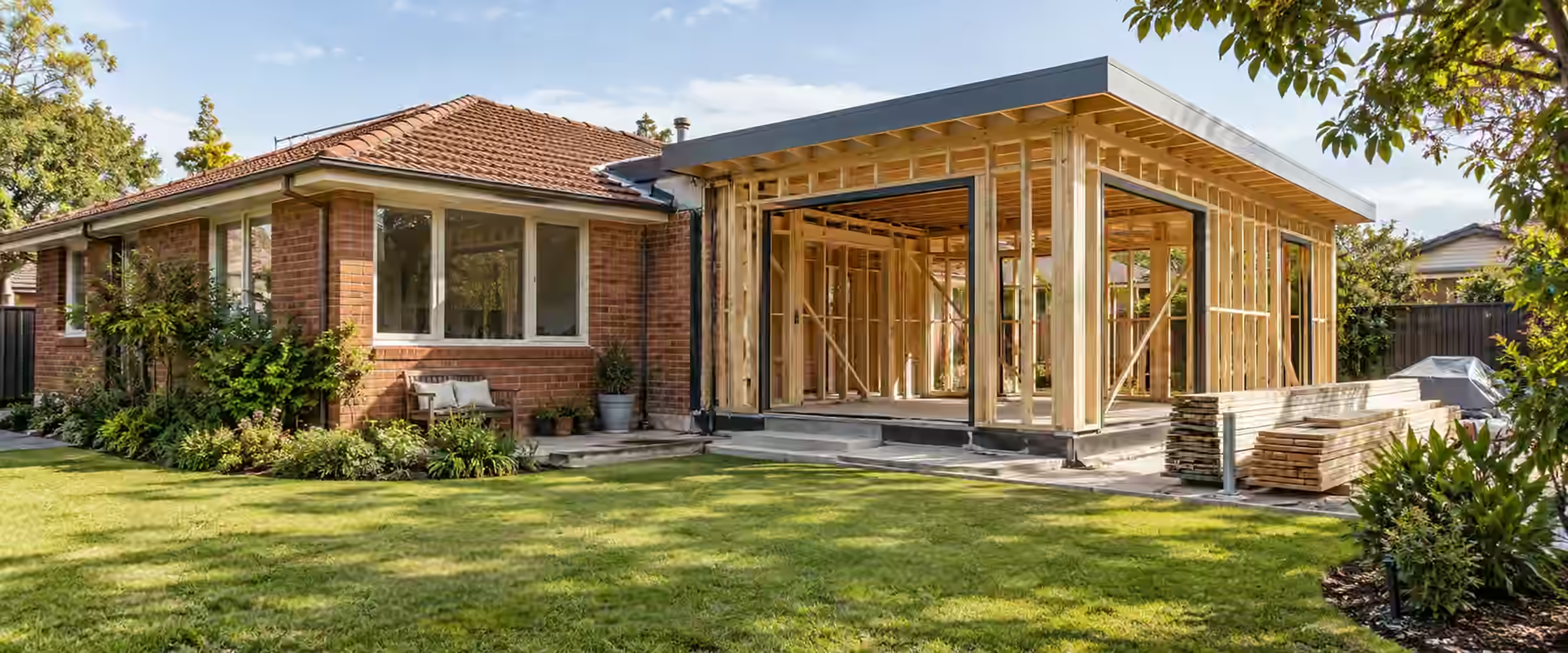
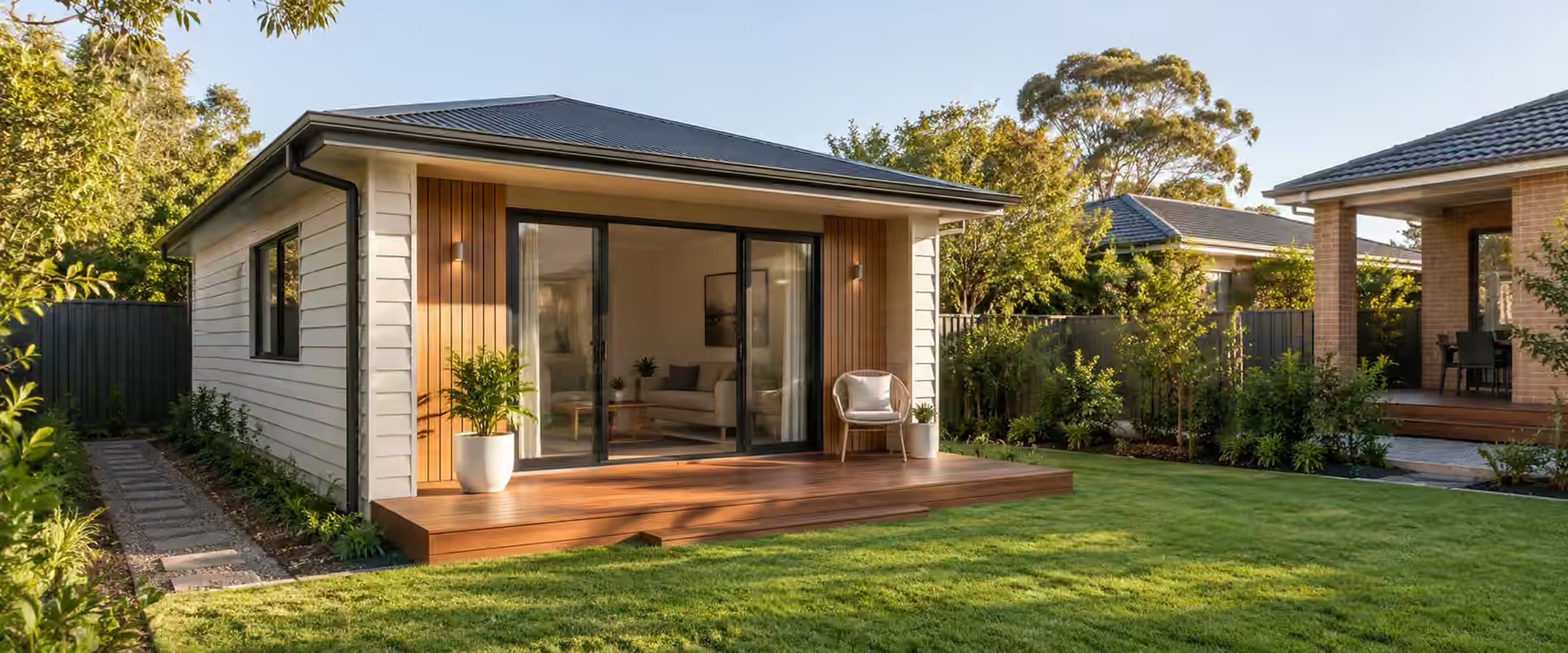
Homes and dwellings we certify.
New homes, rebuilds, extensions and secondary dwellings.
Building types · More than one home
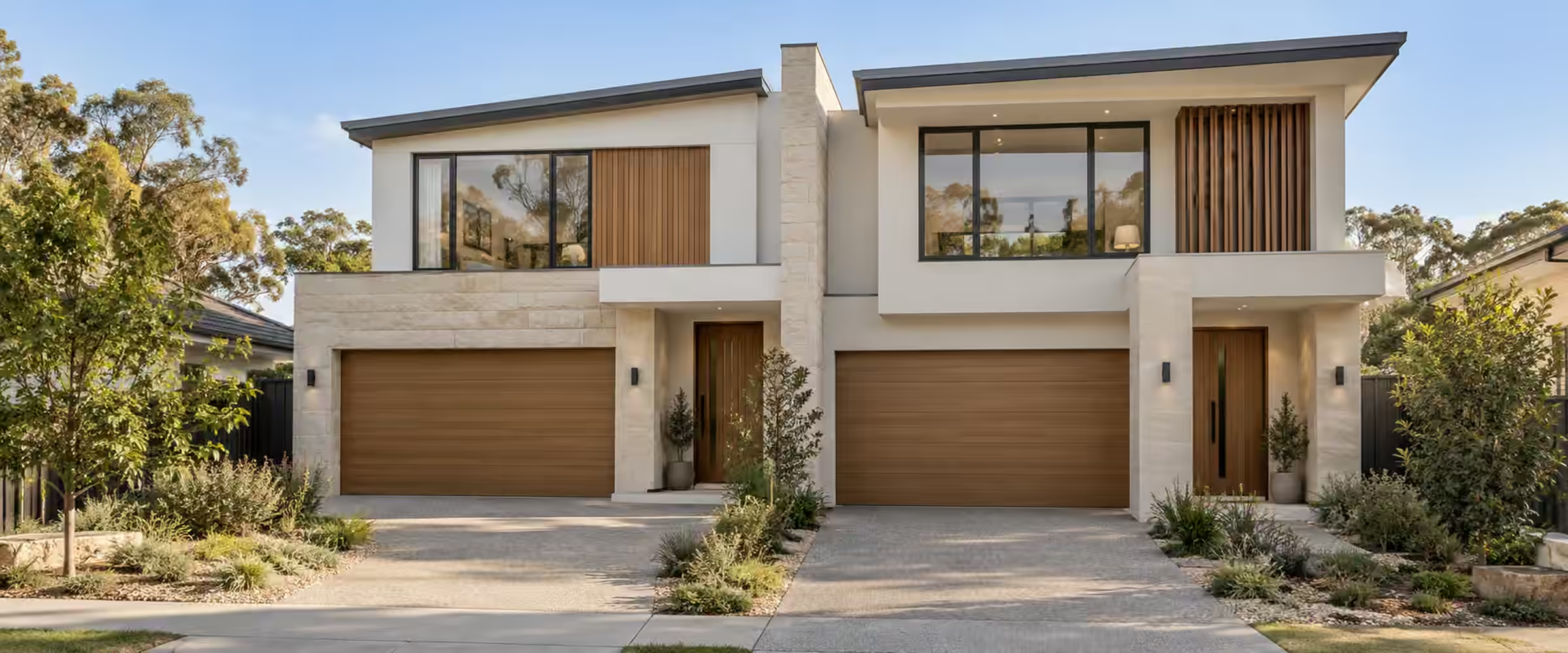
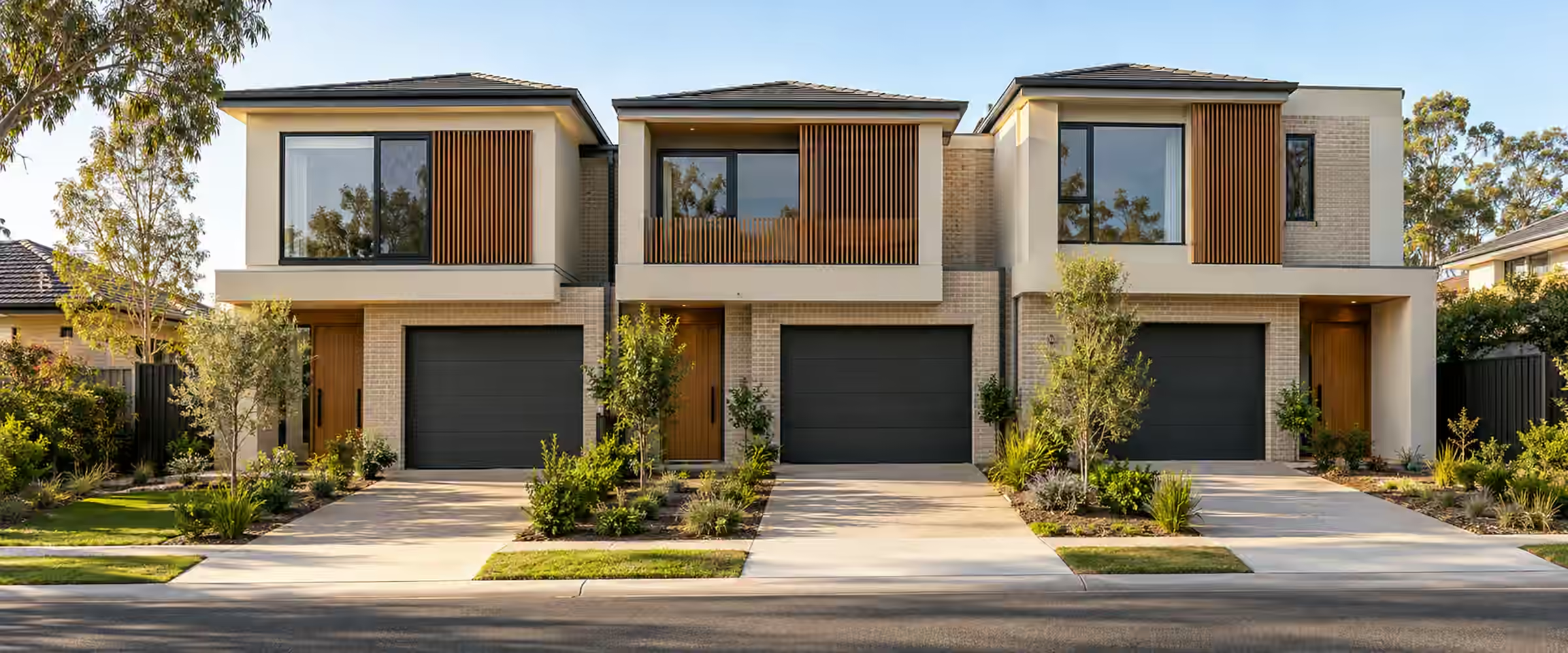
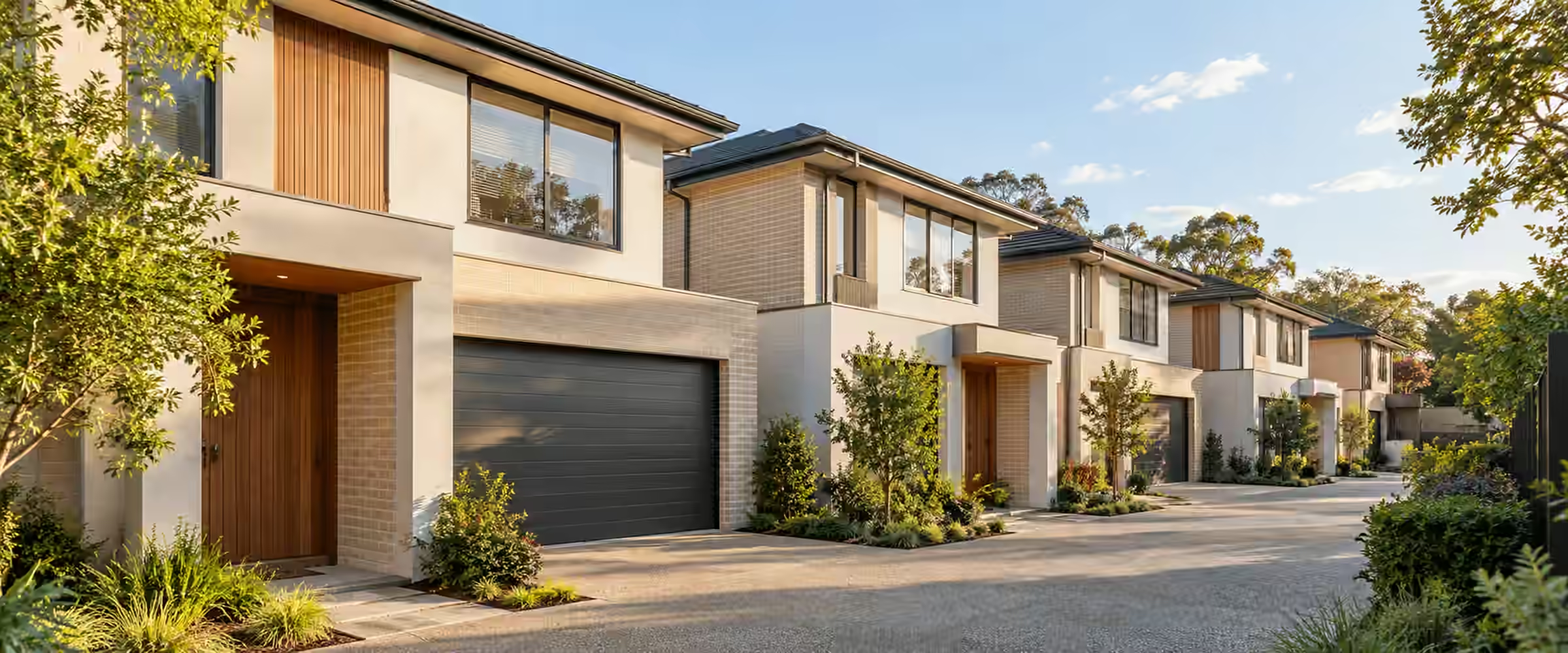
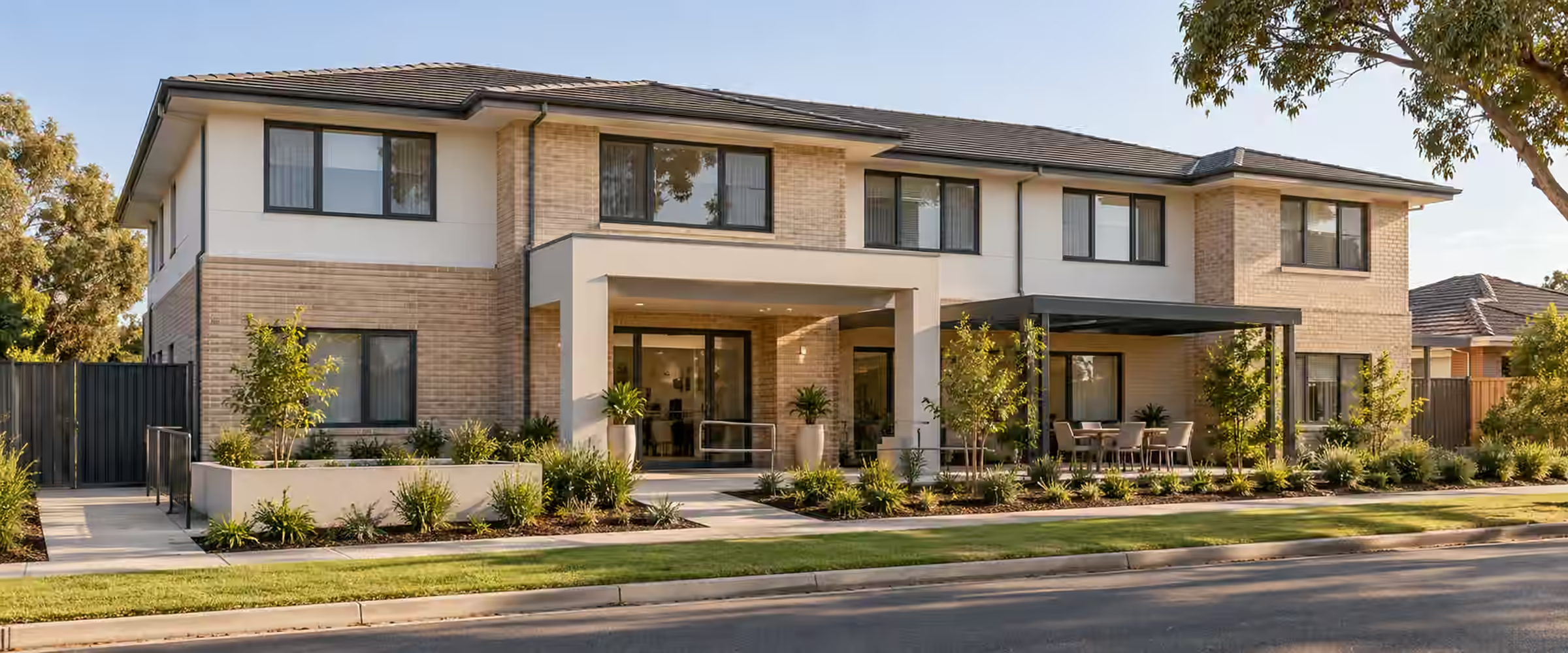
Duplexes, triplexes and townhouses.
Attached Class 1 homes and small boarding houses.
Building types · Outdoor
Pools, outbuildings and outdoor living.
Class 10 structures, from exempt work to full approval.
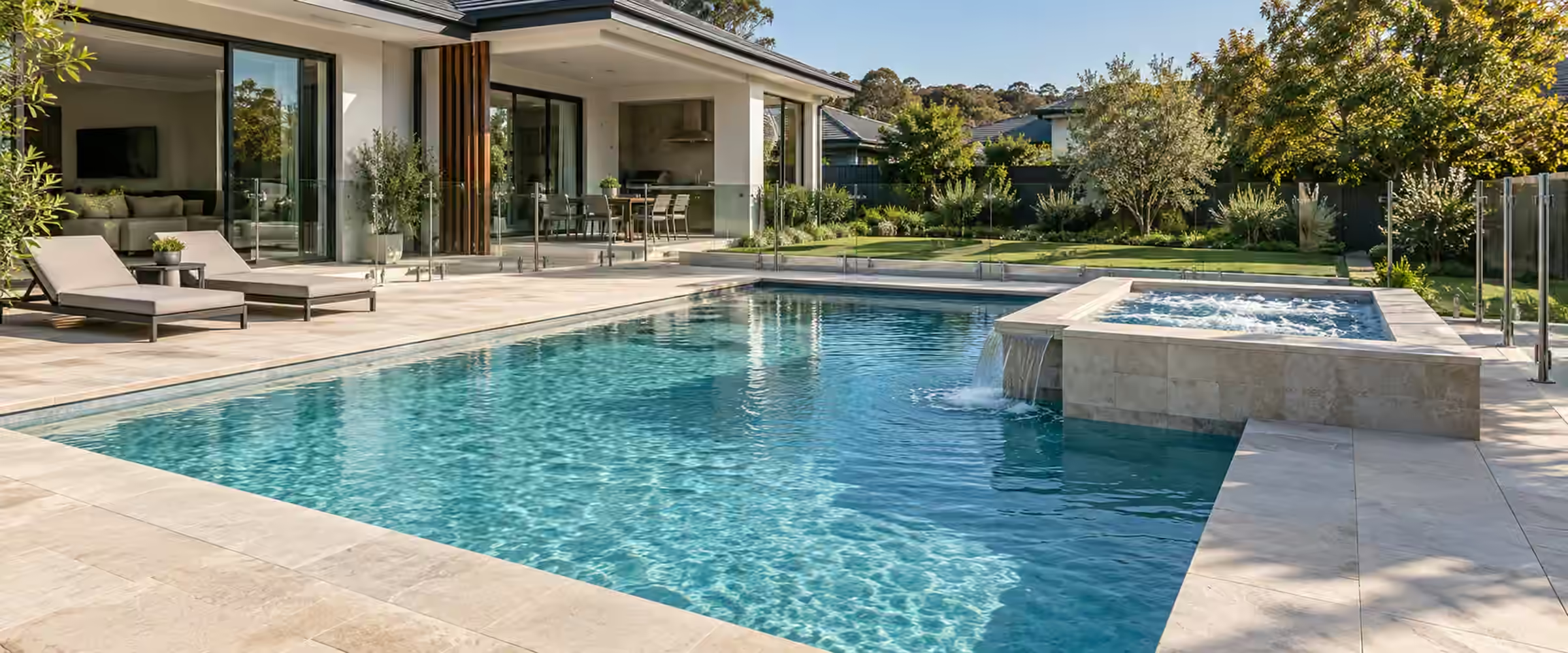 Swimming pools and spasView pools and spas
 Garages and carportsView garages and carports
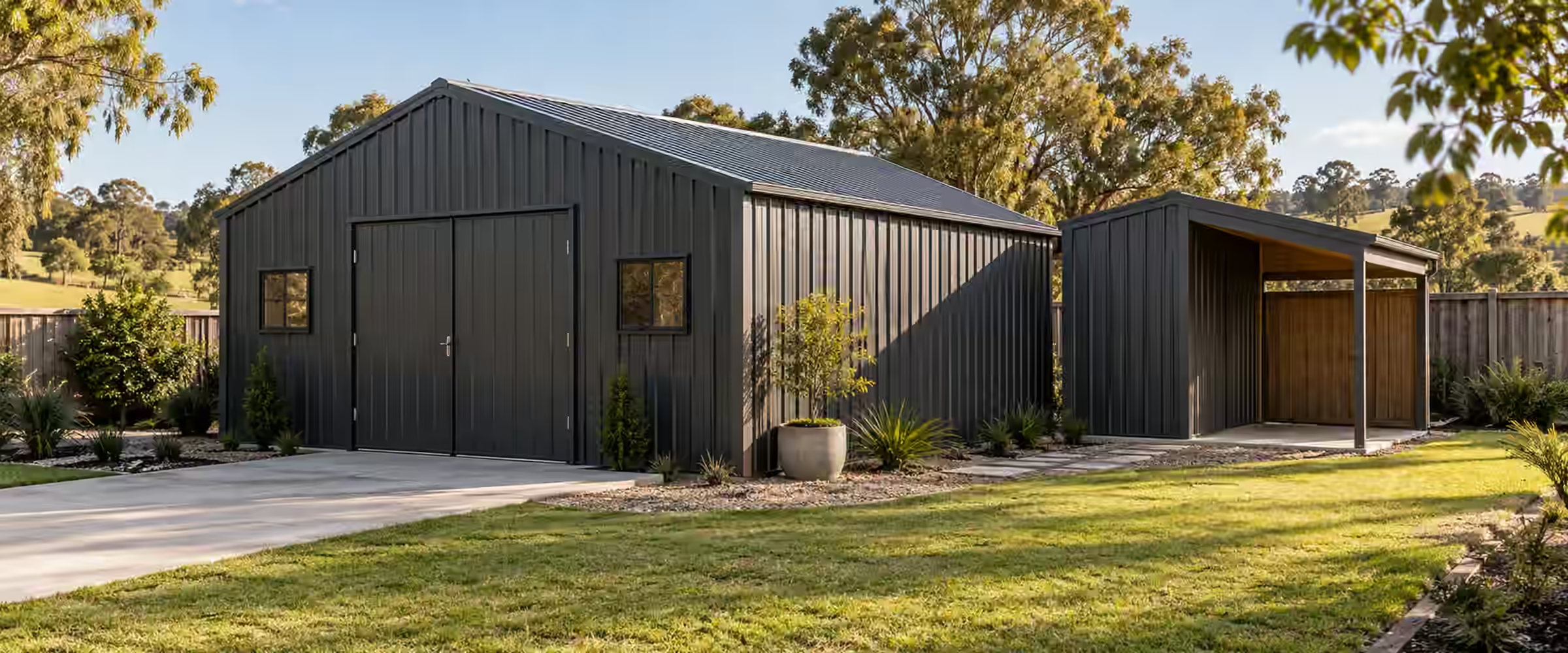 Sheds and outbuildingsView sheds and outbuildings
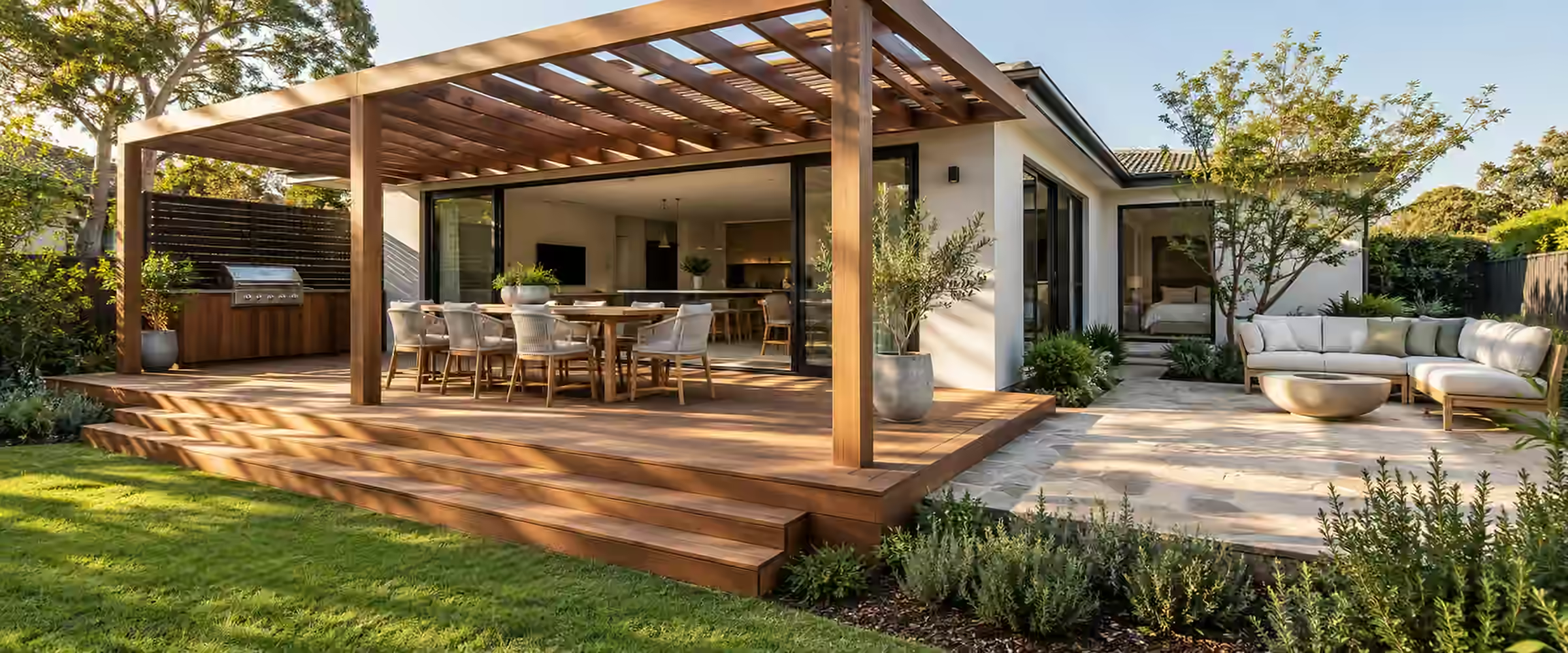 Decks, pergolas and patiosView decks and pergolas
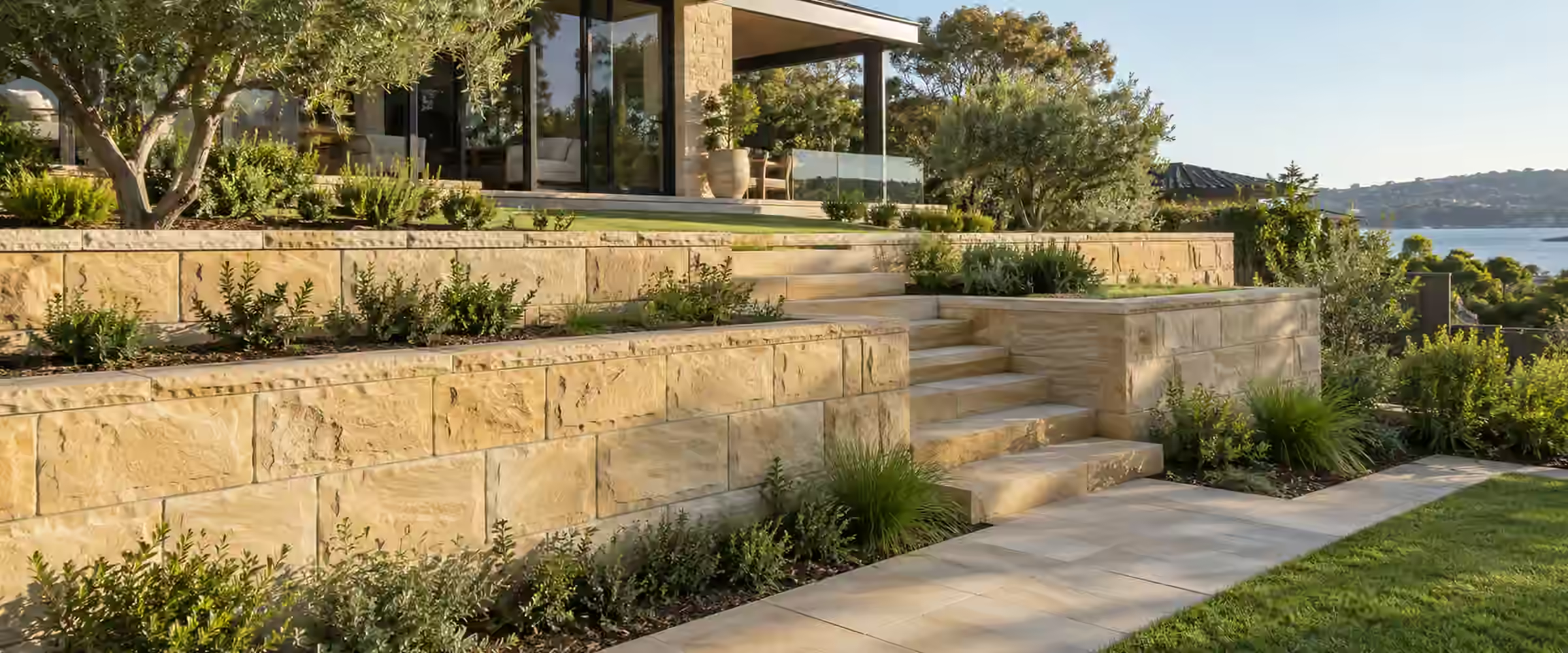 Retaining wallsView retaining walls
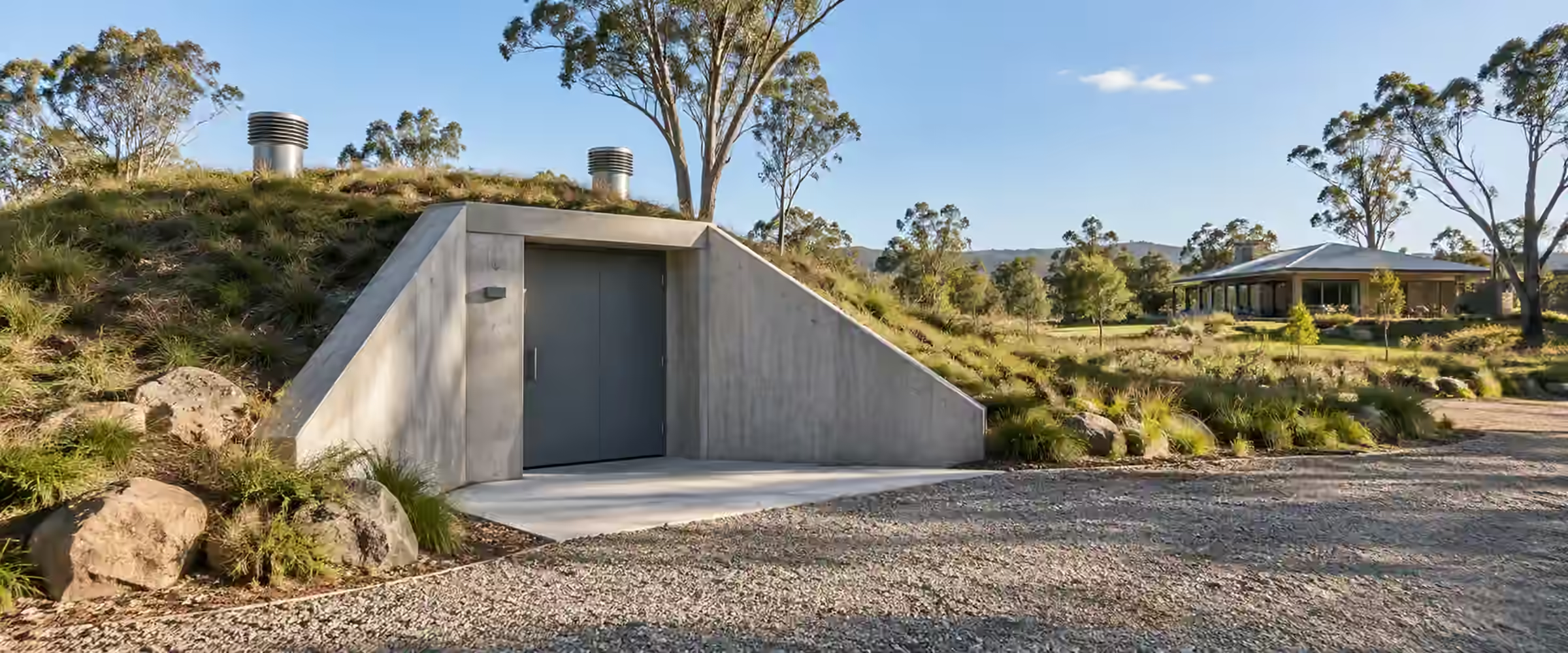 Private bushfire sheltersView bushfire shelters
 Not sure which applies?Start with a plan check
Who we work with
Certification for everyone on the job.
How we support homeowners, builders, designers and outdoor trades.
Homeowners
You hold the approval and appoint the certifier. We explain each step plainly and tell you what comes next.
Builders
Inspections booked around your program, results recorded in writing and completion documents tracked as you go.
Architects and designers
An early read of your design against the codes, and one written list of questions to answer.
Pool and outdoor contractors
Approvals and inspections for pools, barriers, decks, pergolas, sheds and retaining walls.
Common issues
Where projects lose time
Three problems we help owners and builders avoid.
Pathway
Assuming a CDC applies
A small or common design can still miss a standard. The lot and the plans decide the pathway, so check early.
Timing
Starting without an appointment
Work cannot lawfully start until a principal certifier is appointed and notice has been given.
Inspections
Covering work too soon
A skipped inspection is hard to fix after the stage is covered, and it can delay the occupation certificate.
How it works
Building certification in NSW explained
Certification is how NSW checks that building work meets the rules. The system has changed a few times since the 1990s and is changing again. Here are the key points to understand before you engage a certifier.
Sources: North Sydney Council: Private certifiers; Building Commission NSW: Information about registered certifiers; Eurobodalla Shire Council: Contract for certification work (BDC Act s 31); Master Builders NSW: NSW building law reforms, what replaces the DBP Act and when. General information only; requirements depend on your lot, design and approval.
Who can certify your build?
Before 1998, only councils issued building approvals in NSW. Since then, you can choose a registered private certifier instead. They can issue your certificates and act as your principal certifier (the certifier who carries out the inspections and signs off the finished building). Council is still an option.
Building Commission NSW, the state building regulator, opened in December 2023. It registers certifiers and deals with complaints made against them. The current certifier laws started on 1 July 2020.
Which approval do you need?
There are three main pathways. Exempt work needs no approval, but it must still meet every rule that applies. A CDC (complying development certificate) gives fast-track approval to projects that comply with fixed state standards. Anything else needs a development application (DA) to council, assessed against its local planning rules.
Since 1 July 2021, DAs, CDCs and construction certificates have been submitted online via the NSW Planning Portal. You, council and your certifier all see the same record.
What changes are coming?
A new NSW law was passed on 14 August 2026. It plans to replace construction certificates with building approvals, and occupation certificates with completion approvals. Most of it has no start date yet, and the detailed rules are still being written. Until the new law commences, today's certificates and steps remain in place.
Checks to make before signing
A certifier cannot do any work for you without a written contract. It must come with a government information sheet explaining the roles of the certifier and the applicant. It must list the certifier's registration and insurance, the work covered, the fees and how they were worked out, and how extra work will be charged. You also confirm that the choice of certifier was your own. Fees for assessing an application are usually paid at or before lodgement. Principal certifier fees are paid before that work is done.
Search for the certifier on the public register kept by Building Commission NSW. It lists their registration class and period, their insurance and any past disciplinary action. Make sure their class covers your building.
Keep in mind that certifiers act in the public interest. A certifier does not supervise your builder or enforce your building contract. Paying the fee does not guarantee a certificate.
Your questions, answered
Certification, in plain terms.
Common questions asked before a project begins.
Ask us about your projectWhat is a building certifier checking for?
Three things: whether the design meets the rules for the job, whether construction follows the approved plans, and whether the completed work is safe to occupy or use. First, the plans are tested against NSW planning controls and the National Construction Code (NCC). Next, the principal certifier inspects footings, reinforcement, framing, waterproofing in wet areas and stormwater at set stages, before any of it is covered. Finally, the last inspection and the completion paperwork decide whether an occupation certificate can issue. Finish quality and contract disputes are matters to settle with your builder.
Which certificate comes first?
The pathway decides the order. Under a complying development certificate (CDC), planning and building approval arrive in one document, so that certificate is the first and only approval. Under a development application (DA), council grants consent first, and a construction certificate (CC) then checks the detailed drawings for code compliance and against the consent conditions. On both routes, you appoint a principal certifier and give council notice before any work begins. The occupation certificate always comes last. If your lot and design could suit either route, a plan assessment will show which one applies.
Does the certifier design or supervise the build?
No. A certifier neither designs the work nor manages the site. Your architect or designer prepares the drawings, engineers take responsibility for their own documents, and your builder carries out the work as the contract and approval require. The certifier assesses the plans, inspects set stages and issues certificates, acting as an independent regulator in the public interest. Day to day quality, the scheduling of trades and contract disputes are matters for you and your builder. Where the certifier spots work that does not comply and a direction to fix it is ignored, the matter is reported to council.
Can one certifier look after the whole project?
Yes. On Class 1 and Class 10 projects, one certifier can take the work all the way through. We can grant the approval, take on the principal certifier role, handle the critical stage inspections and issue the occupation certificate at the end. The only step outside our hands is a development application, which council alone decides. Staying with one certifier means the firm that approved the plans is the one checking the build, so every question is answered against the same documents. The owner, or the approval holder, signs the appointment before construction starts.
Do you handle apartments or commercial work?
No. Our scope stops at Class 1 homes and Class 10 structures under the National Construction Code (NCC), such as houses, duplexes, townhouses, granny flats, small boarding houses, garages, sheds, decks, retaining walls and pools. Apartment blocks, shops, offices, warehouses and every other Class 2 to Class 9 building need a certifier whose registration covers that class. A mixed building, for example a dwelling above a shop, is not Class 1 either. Before engaging anyone for those projects, check their registration class on the public register held by Building Commission NSW.
Ready to start?
Find your pathway first.
Share the site address and your plans. We'll tell you which approval applies and provide a written quote for the certification.