During construction · Class 1 & Class 10
Critical stage inspections in NSW
Each required stage looked at before it gets hidden, and a written note of what we checked and the result.
Inspections at a glance
Checked before it is covered up
Footings, reinforcement, framing and waterproofing all end up hidden. That is why the law sets points in the build where the work must be inspected first. We visit at each required stage and record what we saw.
Each inspection captures the work as it stands on that day. It is not continuous supervision, and building to the approved plans stays the builder's responsibility.
Plan your inspectionsSet by the approval
Which inspections you need is set by the kind of work and the approval you hold.
Booked ahead
The builder gives notice and books each stage while the work is still visible.
Written record
Every inspection is documented and kept for the completion assessment.
Missed stages matter
A skipped mandatory inspection can stop the occupation certificate.
Inspection stages
The stages we inspect
These six stages cover most houses and outbuildings. Pools add one more check, on the barrier.
01
Footings
With trenches dug but no concrete yet placed, we compare position, size and founding conditions with the engineering.
02
Reinforcement
Before a slab or other reinforced element is poured, we check steel, cover and set-downs.
03
Frame
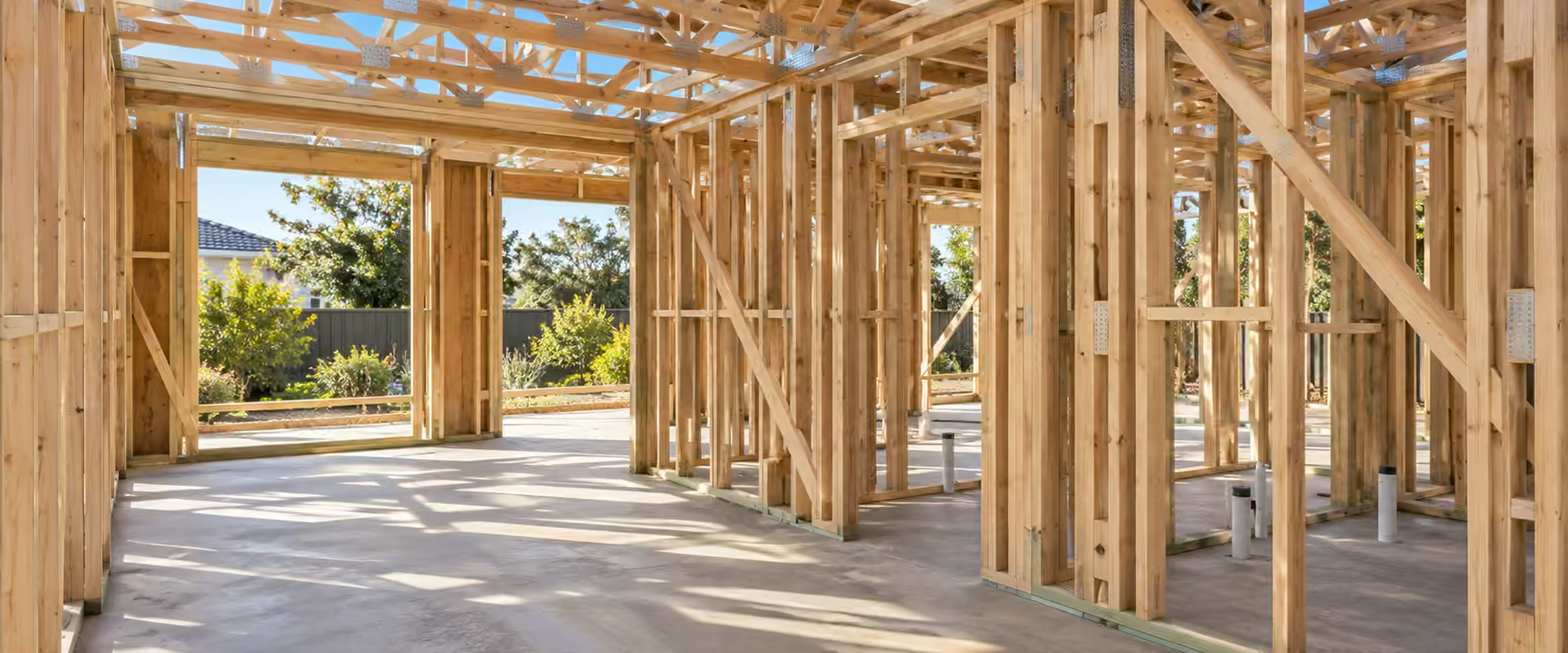
Before linings go on, we check members, bracing, tie-downs and the truss layout.
04
Wet areas
Before tiling, we check the waterproofing membrane, falls and junctions in wet areas.
05
Stormwater
Before trenches are backfilled, we check pipe layout, grades and the discharge point.
06
Final
Once work is complete, we inspect the finished building ahead of the occupation certificate.
Be ready on the day
What to have on site
Having the right documents on hand avoids a second visit.
- Approved plansThe stamped plans and approval for the work.
- Engineering detailsStructural drawings and any engineer inspection certificates.
- Truss and frame documentsManufacturer layouts and design certificates where used.
- Installer certificatesWaterproofing and other trade certificates as they are completed.
Project-specific pricing
Based on your schedule.
Inspection fees depend on how many stages apply and where the site is. Reinspections are quoted separately if needed.
- Number of stages
- Site location
- Project type
- Reinspections if required
What are you planning?
Projects that need inspections.
Class 1 homes and Class 10 structures built under a CC or CDC all have required inspection stages.

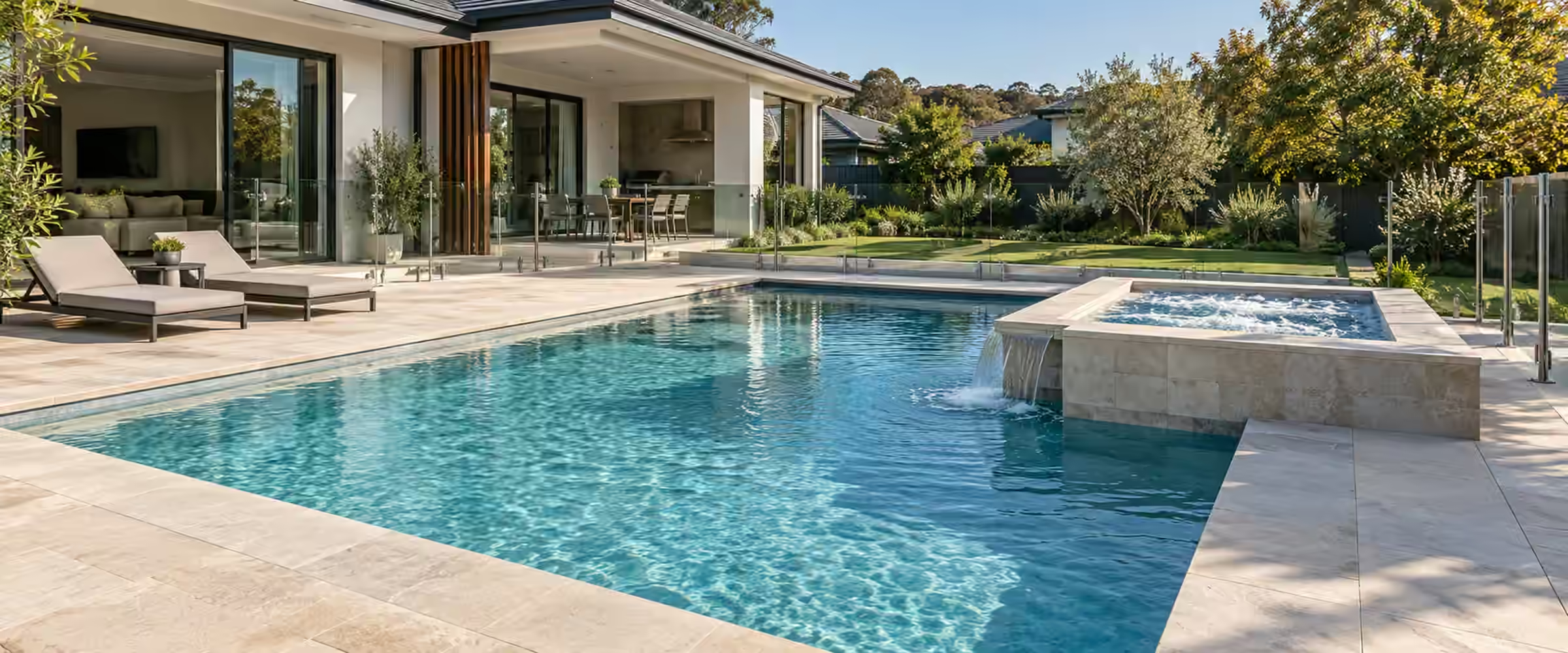
For swimming pools, an extra inspection happens once the child-resistant pool fence is in place.
Common issues
What leads to failed or missed inspections
A little planning around the build program avoids most of these.
The timing
Work covered too soon
If concrete is poured or linings go on before inspection, they may have to be opened up again.
The site
Not ready on the day
Incomplete work or unsafe access means the inspection cannot go ahead.
The records
Certificates left until last
Gather installer certificates trade by trade instead of chasing them all at the end.
Inspection rules
What NSW law requires at each inspection
Critical stage inspections are the site visits your certifier is required to make at set points during construction. NSW law fixes these stages for houses and outbuildings, along with the rules on notice, records and missed stages.
Sources: Bega Valley Shire Council: About inspections; Hornsby Shire Council: Critical stage inspections and occupation certificates; Building Commission NSW: FAQs for building certifiers; NSW Planning: DCFS Regulation 2021 new clause references; ABCB: Housing Provisions, NCC 2022, Part 10.2. General information only; requirements depend on your lot, design and approval.
Which stages must be inspected?
For Class 1 houses and Class 10 structures, an inspection is required once footing trenches are excavated and before the footings are poured. Inspections are also required before reinforced concrete is poured on site, and before framing for floors, walls or roofs gets covered. Wet area waterproofing and stormwater drainage connections must be inspected before being covered. A final inspection follows completion, before the occupation certificate (the approval to move in) is issued.
Swimming pools have one more stage: once the barrier is installed, it is inspected as soon as practical. These stages are only the minimum. Your CC or CDC comes with an inspection schedule listing every stage for your project.
Who books the inspections?
The principal certifier must let the approval holder know which inspections are required before work begins. Each one is then booked by the builder, or by the owner-builder. Many certifiers want 48 hours' notice or more, so allow for bookings in your construction program.
Apart from the final inspection, any stage can be inspected by a different certifier who holds registration for that work. The principal certifier then notes on the project file that it accepts the result. A structural engineer's certificate adds to the file but is no substitute for a required inspection.
Missed an inspection?
Every inspection must be recorded. The occupation certificate decision is based on the inspections and records held at that time. NSW law has a separate process for an inspection that was unavoidably missed.
Otherwise, Building Commission NSW treats a missed inspection as work not done in line with the approval. That calls for a written directions notice, and it may stop the certifier issuing an occupation certificate. In one example, a slab was inspected only by an engineer. The occupation certificate was later issued with the slab excluded.
What is checked at the waterproofing stage?
Wet areas are inspected against the building code, with the detailed construction rules set out in the ABCB Housing Provisions. A builder may follow those rules in full, or combine parts of them with AS 3740:2021 for domestic wet area waterproofing.
In a shower area, the floor and any hob or step-down must be waterproof. Walls must be waterproof to at least 1800 mm above the floor base. Where a bathroom or laundry has a floor waste, the floor, floor to wall joints and penetrations must be waterproof. Have the membrane installer's certificate ready at the inspection.
When an inspection does not pass
If something at a stage falls short of the approved plans or the NCC (National Construction Code), the result is written up and the builder is given a list of what needs fixing. That part of the job should not move forward until the fix has been checked again or the documents asked for have been supplied. Pouring or lining over failed work risks having to open it up later.
Not every failed item calls for a second trip to site. The certifier uses judgement based on the issue. A small item can sometimes be closed out with a certificate added to the project file, while anything about to be hidden by the next trade is better seen again in person.
Extra visits beyond the legal minimum
The stages fixed by law are a floor, not a ceiling. A principal certifier can ask for more visits, and these are usually written into the agreement you sign at appointment. Read that list early so your builder can program each one around concrete pours and trade bookings.
What gets looked at on each visit also shifts from job to job. Building Commission NSW notes that the critical items depend on the kind of building work and how far it has progressed, giving fixtures needed to meet the BASIX certificate as one example. Mention anything unusual about your design or site when you first appoint us, so the right checks can be planned.
Footings and slabs: why soil class matters
Before footings are designed, the ground must be classified under AS 2870, the Australian Standard for residential slabs and footings. Classes run from A, for most sand and rock sites, through S, M, H and E for clay that ranges from slightly to extremely reactive. Class P covers problem ground such as soft soils, landslip or mine subsidence. Your engineering drawings should state the class.
Under the ABCB Housing Provisions, sites classed H, E or P must refer to AS 2870 for design and construction. Slab-on-ground construction for a house needs a membrane underneath, and NSW has its own variation calling for a high impact resistant damp-proofing membrane. Steel needs minimum concrete cover too, such as 40 mm to unprotected ground and 30 mm where it sits over a membrane laid on the ground. These are the kinds of details compared with the drawings before a pour.
What cannot stand in for an inspection
Only a compliance certificate issued under the planning legislation can be relied on in place of a certifier's own check. A building information certificate (BIC) from council does not fill the gap either. A BIC limits the orders council may later make about existing work. It is silent on whether a stage was ever inspected.
If a stage was missed, tell the certifier at once instead of waiting for the final visit. Certifiers are expected to warn applicants and builders early when a missed inspection may block the occupation certificate, and options narrow as more of the building is closed in.
Pool barrier stage
While a pool is being built, child-resistant temporary fencing must surround the pool area. Once the permanent fence is in place, the principal certifier inspects it as its own stage, separate from the house.
Nobody may use a new pool until its occupation certificate is issued, and signs on site must say so. The owner also has to list the pool on the online NSW Swimming Pool Register. A CPR (resuscitation) sign must go up close to the water, legible at a distance of 3 metres. Having both done before the barrier visit saves a return trip.
Inspections after a change of certifier
When a principal certifier is replaced, the incoming certifier relies on the records already on file for stages that are now hidden. Before accepting the job, they should review those records and take up any gaps with the outgoing certifier.
Pools follow a slightly different rule. The first certifier does not have to pass on its pool records. Every pool inspection is logged on the online NSW Swimming Pool Register, though, and the new certifier can look those entries up.
More sources: Building Commission NSW: FAQs for building certifiers; City of Newcastle: The principal certifier, inspections and occupation certificates; ABCB: Housing Provisions, NCC 2022, Part 4.2; NSW Government: Owning a pool or spa, your obligations; Building Commission NSW: Replacing a certifier; NSW Planning Portal: Building information certificates practice note. General information only; requirements depend on your lot, design and approval.
Your questions, answered
Inspections, explained.
Common questions from owners and builders about the inspection stages.
Ask us about your projectHow many inspections will my project need?
A typical new house built under a CC or CDC goes through six inspection stages: footings, reinforced concrete, frame, waterproofing in wet areas, stormwater drainage and a final check at completion. Pools need one more visit, for the barrier. Smaller Class 10 work such as a detached garage or deck only needs the stages that apply to it, so a garden shed without a bathroom skips the waterproofing visit. Your principal certifier can add visits beyond the legal minimum and lists them in the certification agreement. Before work begins you are told which inspections apply, so share that list with your builder.
Who books the inspections?
The builder normally books each inspection, or the owner when running the job as an owner-builder. Book once the stage is finished but before anything is poured, lined or backfilled. Notice periods differ between certifiers, so check the agreement and build that lead time into the concrete and trade schedule. When booking, give the stage, the site address, the approval number and a contact on site. If the work is incomplete or access is unsafe when the certifier arrives, the visit may not proceed and a reinspection fee can apply.
What happens when a stage is skipped?
Contact your principal certifier as soon as you realise, before more work hides the area. A missed critical stage inspection is treated as work that departs from the approval, and it can stop the occupation certificate from being issued. Letters from the builder and a council building information certificate do not cure it. Depending on the element, the certifier may need parts exposed, or the OC may end up excluding the work that could not be confirmed. Raising it early keeps more of those options open and avoids a surprise at completion.
Does an engineer inspection replace yours?
No. A structural engineer's site visit or certificate helps the file, but it cannot take the place of a critical stage inspection by the principal certifier or another registered certifier acting for them. Only a compliance certificate issued under the Environmental Planning and Assessment Act 1979 can be relied on that way. Engineers often check the same steel before a pour, so lining up both visits in the same window can save a day. Keep each engineer's certificate, as it joins the documents reviewed before the occupation certificate.
Will I get a record of each inspection?
Yes. Every critical stage inspection must be recorded, and that record sits on the project file held by the principal certifier. If another registered certifier carried out a stage, the principal certifier notes on file that it accepts that result. We send the outcome after each visit, including any items that must be fixed before the next stage. Keep your own copies alongside the trade certificates, because the occupation certificate decision rests on the records held at that time, and gaps are hard to fill later.
Across the build
Related services.
Guidance: the National Construction Code. Your required stages are set by your approval and project.
Guides
Inspection guides
How to get your site ready for an inspection
Failed an inspection? What happens next
Critical stage inspections: what we check and when
Where we work
Critical stage inspections across NSW
We work in 39 council areas, from Newcastle and the Central Coast through Greater Sydney and the Blue Mountains to Lithgow, the Southern Highlands and the Illawarra. Local rules shape every approval, so start with your council or suburb.
Council areas
- Blacktown City Council
- Blue Mountains City Council
- Canterbury-Bankstown Council
- Central Coast Council
- City of Canada Bay
- City of Parramatta
- Kiama Municipal Council
- Lane Cove Council
Local planning notes by suburb
See all 39 council areasPlan ahead
Keep your inspections on track.
Share the site address and your approval details. You will hear which stages apply and get a written quote.