After development consent · Class 1 & Class 10
Construction certificates in NSW
Your DA is approved. The construction certificate is the technical sign-off that lets the building stage begin.
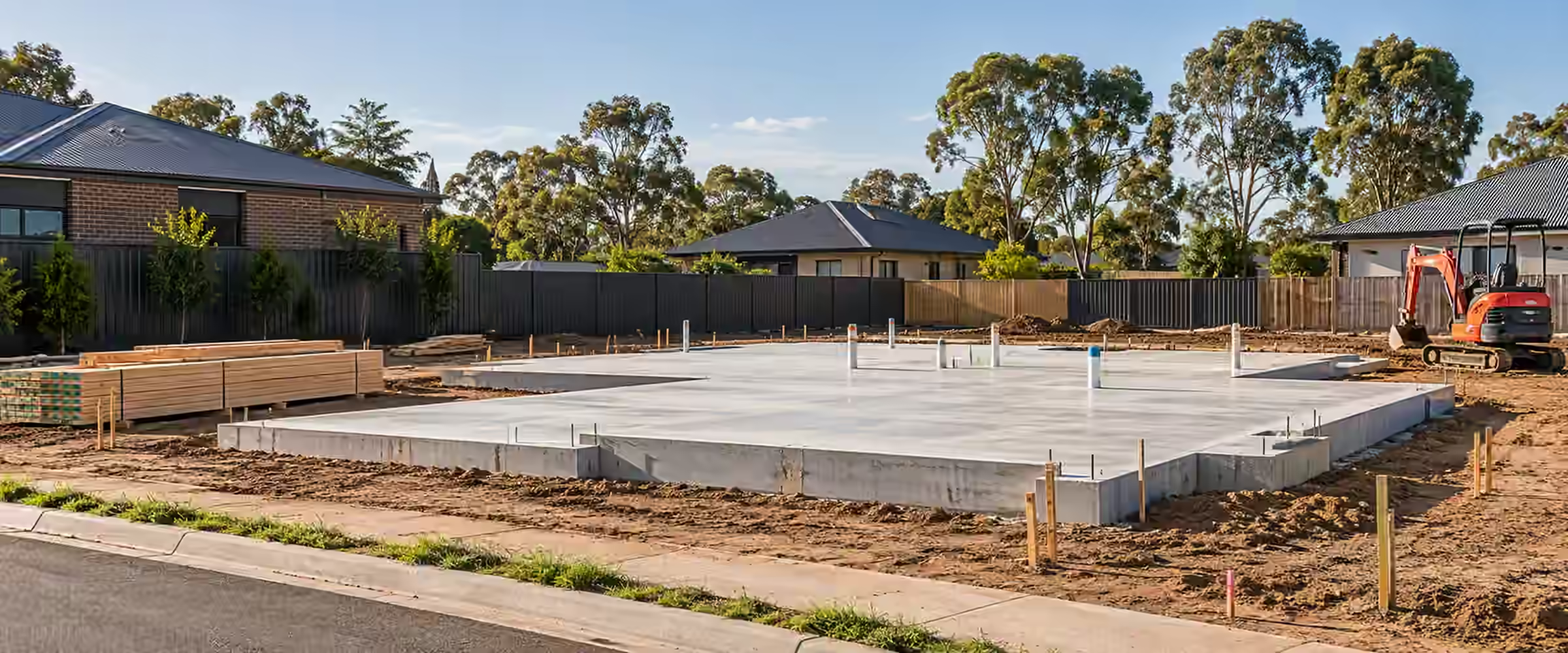
CC at a glance
From approved DA to buildable plans
Council approval of a development application settles what can be built. Before construction begins, the detailed drawings and specifications also need a construction certificate, or CC, confirming they satisfy the National Construction Code and line up with the consent.
We check the working drawings, engineering and reports, point out what needs changing, and issue the CC when all of it complies. If your project was approved with a complying development certificate, this step does not apply, as the CDC already authorises the building work.
Discuss your DA with usThe building-stage approval
A CC follows a DA. It deals with how the work will be built, not whether it is permitted.
Checked against the code
Structure, fire safety, waterproofing, energy and drainage details are tested against the building rules.
Consistent with consent
Drawings must match the approved DA plans and satisfy any conditions due before the CC.
Issued before work starts
No building work under the DA can begin until the CC is in place.
A clear way forward
How a CC moves from lodgement to issue
Six stages take a DA-approved project from detailed design to a certificate you can build from.
01
Confirm the consent
We go through the DA, stamped plans and conditions to understand precisely what has been approved and which steps come first.
02
Lodge the package
You or your designer send the construction drawings, engineering, specifications and reports for assessment.
03
Technical review
We test the documents against the consent terms and the building code, then list any gaps or inconsistencies.
04
Resolve requests
Your designer or engineer responds to the items raised. Changes beyond the consent may need a modification first.
05
Issue the CC
Once all requirements are satisfied, the certificate is issued with endorsed documents for use on site.
06
Ready to build
Before any work starts, appoint the principal certifier, lodge the notices required and satisfy any pre-start conditions.
Prepare your application
What a complete CC package includes
Each consent differs, and we will tailor this list to your project. Most residential CCs call for the following.
- DA consent and stamped plansThe notice of determination, conditions and the plans council approved.
- Construction drawingsDetailed architectural plans, sections and specifications that follow the approved design.
- Structural engineeringFooting, slab and framing design, informed by the site and wind classification.
- Stormwater and BASIXThe drainage design and the BASIX certificate where one applies.
- Condition evidenceProof that conditions required before the CC, such as payments or approvals, are satisfied.
Project-specific pricing
Quoted for your build.
CC fees vary with the size of the job and how detailed the consent is. After reviewing the approval and plans, we provide a written quote.
- Size and type of building
- Number of consent conditions
- Engineering and specialist reports
- Inspections and principal certifier role
What are you planning?
Projects that commonly need a CC.
Any Class 1 or Class 10 work approved by a DA needs a CC before building starts.
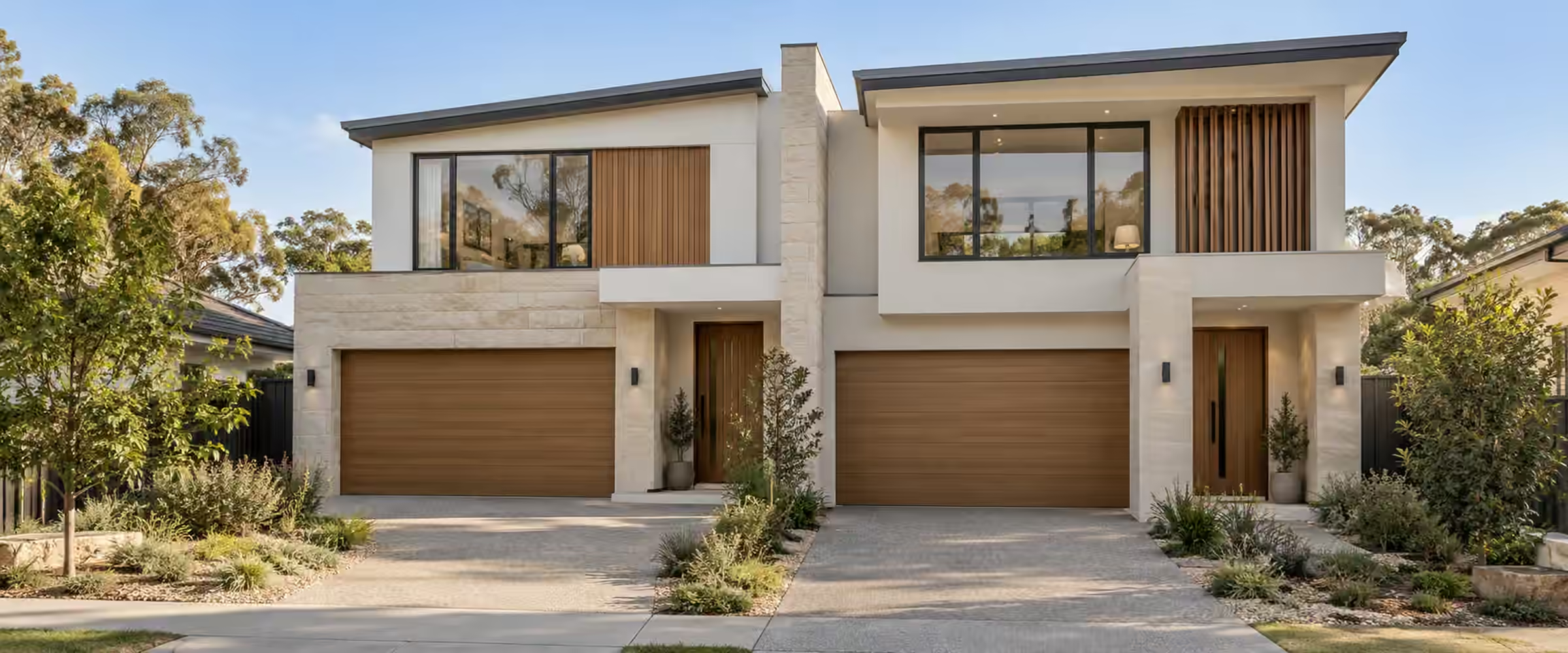
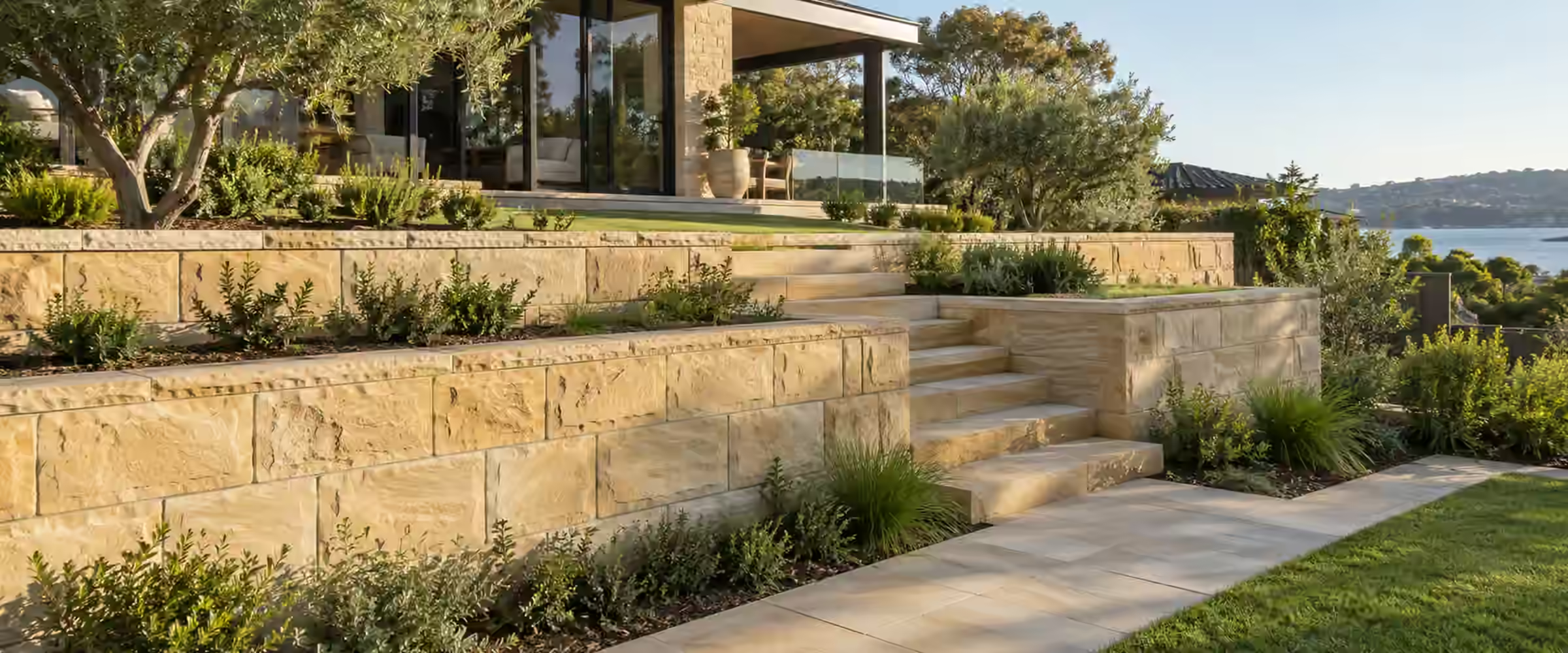
Work that qualifies as complying development uses a CDC instead, so no separate CC is required.
Common issues
What usually slows a CC down
Most hold-ups trace back to documents. Sorting these early keeps the assessment moving.
The paperwork
Gaps in the submission
Missing engineering or reports stall the review. Gather them before lodging, not after the first request.
The design
Drawings that drift from the DA
Construction plans must reflect what council approved. Material changes need a modification to the consent.
The timing
Building too early
Starting before the CC and pre-start steps are complete is unlawful, and a CC cannot approve work already done.
Construction certificates
What must be sorted before a CC can issue?
A construction certificate (CC) is the approval you need before building work starts under a council development approval (DA). It is more than a code check of the drawings. The certifier must also be satisfied that early conditions are met, required payments are made and the plans still match what council approved.
Sources: NSW Government: Long service levy; Building Commission NSW: FAQs for building certifiers; NSW Planning: DCFS Regulation 2021 new clause references; Sydney Water: Sydney Water Tap in; City of Sydney: Changing a DA after consent (section 4.55). General information only; requirements depend on your lot, design and approval.
Which DA conditions must be met first?
Conditions in a development approval are normally grouped by stage, and one group has to be satisfied before a CC can issue. Under NSW law the CC plans must also line up with the approval and with the building code.
According to Building Commission NSW guidance, only conditions that relate to that stage of the build must be satisfied at CC stage. Conditions about the later use of the building are handled further down the track. Lodge evidence for each condition with your application, for example a receipt, an authority approval or amended drawings, without waiting to be asked.
Will the long service levy apply?
Work worth $250,000 or more (GST inclusive) attracts the building industry long service levy, charged at 0.25% of what the work costs. A CC cannot be released by a council or certifier until that payment is made.
Until 1 January 2023 the threshold was $25,000 and the rate 0.35%, so older advice may be out of date. A reduction may be available to permit-holding owner-builders.
What about council contributions and Sydney Water?
Your approval may require a local infrastructure contribution paid to council. The condition commonly requires payment before the first CC. The exact wording, and any deferral council has agreed to in writing, decides when you must actually pay.
In Sydney Water's area, a project that needs building approval also needs Sydney Water approval. You request it through the Sydney Water Tap in service. The check confirms your work will not damage water or wastewater pipes, or stop Sydney Water working on them. Even a pool or home extension can need it. Work affecting Sydney Water pipes may be sent to a water servicing coordinator.
What if my detailed design differs from the DA?
A CC can only approve work that is consistent with the development approval. Engineering, drainage or BASIX (energy and water) details sometimes change the approved design. If so, you may need council to modify the DA first. Minor errors and low-impact changes have simpler routes. Bigger changes are possible if the development stays substantially the same.
Once the change is approved, your existing CC can be modified or a new one obtained. Building Commission NSW treats a CC that does not match the DA as a serious matter. A CC can also only approve future work, not work already done. Fix any mismatch before you lodge.
Which edition of the NCC applies?
A construction certificate (CC) checks your detailed design against the National Construction Code (NCC). The edition currently in force in NSW is NCC 2022 Amendment 2, which took effect on 29 July 2025. Most CC applications lodged on or after that date are assessed against it, so the lodgement date matters if the drawings were prepared earlier.
NSW has announced that NCC 2025 will be adopted in the state from 1 May 2027. If your CC is likely to be lodged near or after that date, confirm with your designer which edition the drawings follow. NSW also has its own variations to the code, and these apply alongside the national text.
Compliance can be shown through the deemed-to-satisfy provisions, through a performance solution, or through a combination. A performance solution needs its own supporting evidence, so raise any proposed solution early in the process instead of leaving it to the final stages.
BASIX at construction certificate stage
Where BASIX (the Building Sustainability Index) applies, the BASIX certificate has to accompany the CC application. Every commitment on it, such as insulation, glazing, water fittings and rainwater tank capacity, should be drawn or noted on the construction plans.
If the design has changed since the DA, the certificate must be revised so the two agree. Revising it costs nothing for the same site and project, provided it has already been lodged or remains within its lodgement window. That window is 3 months from when the certificate is generated, so one produced too early may need replacing.
Once the home is finished, the certifier issues a BASIX completion receipt, confirming it was built to the certificate. Commitments left off the CC plans are easy to miss on site and hard to prove at that point.
Before the assessment starts
A certifier cannot start work on a CC until a certification contract is in place, and that contract must require fees to be paid before lodgement. Filling in the application form on the NSW Planning Portal does not create the contract.
Whether the site is inspected first depends on the work. If the CC is for a new house on vacant land, the law does not require an inspection beforehand. If the CC work affects an existing building, such as an extension or alteration, a site inspection has to happen before the certificate is issued.
What if part of the house was never approved?
The planning laws do not expressly stop a CC being issued for extensions to a house with unapproved parts. In practice, council usually looks at the unapproved work while it assesses the development application (DA), and it may require that work to be fixed first.
A building information certificate from council can protect existing work from certain orders, yet it does not approve anything. It is not grounds for issuing a CC or an occupation certificate, and a certifier cannot make you obtain one. If older work may be raised by council, deal with it before the DA is lodged.
Will the DA lapse before you build?
A development consent normally lasts 5 years, counted from when it starts to operate, unless council sets a different period. It does not lapse once the work has physically commenced, and the consent shows its lapse date.
Council guidance is clear that survey work, such as placing pegs, does not count as commencement, and work done without the required approvals is not accepted as a start. The law does not allow the 5 years to be extended, so plan the CC well inside that window and leave time to clear the conditions that come first.
More sources: NSW Government: How to comply with the National Construction Code; NSW Government: NSW to adopt new National Construction Code in May 2027; NSW Planning Portal: BASIX and planning approvals; NSW Planning Portal: BASIX certificate validity and changes to the project; NSW Planning: Your guide to the DA process, determination; Clarence Valley Council: Lapsing of development consents. General information only; requirements depend on your lot, design and approval.
Your questions, answered
Construction certificates, explained.
Short answers to what owners and builders ask us before lodging a CC.
Ask us about your projectWhen is a construction certificate required?
You need a CC before building work begins under a development consent. It confirms that the detailed drawings and specifications meet the NCC and match the approved DA. Exempt development and work approved by a complying development certificate do not need one. After the CC issues, you still appoint a principal certifier, give council at least 2 days' notice and meet any conditions due before the start. Because a CC only authorises future work, it cannot approve anything already built without one.
Who can issue a CC?
Councils issue CCs, and so do registered certifiers, and the applicant chooses between them. Whichever you pick, a certification contract has to exist before assessment begins. The certifier who issues the CC does not have to be the principal certifier for the build, although it can be. The owner, not the builder, appoints the principal certifier. CertifiBuild certifies Class 1 houses and Class 10 structures only, so a building of any other class needs a certifier holding the matching registration.
Is a CC needed when a CDC is in place?
No, work approved by a complying development certificate does not need a CC, because a CDC gives planning and building approval together. The CDC assessment includes the same check of the plans against the NCC that a CC would provide. A CC is only needed when the project was approved through a development application. If a lot has some work under a CDC and other work under a DA, each approval follows its own steps, and the DA work still needs its CC before it starts.
Can I lodge the CC before the DA is approved?
A CC cannot be issued until development consent is granted, because the certifier has to confirm the construction drawings line up with that consent and its conditions. You can still prepare the construction drawings, engineering and BASIX documents while council assesses the DA. The risk is that conditions of consent may call for changes, such as revised drainage, extra reports or amended plans, so allow for revisions. Once consent issues, check which conditions apply at CC stage and gather that evidence for lodgement.
What if the plans do not comply?
A CC is not issued until the plans comply, so every problem has to be resolved first. Each issue is listed in writing, giving the designer or engineer a clear basis to respond with amended drawings, details or reports. Where a fix would make the design inconsistent with the DA, council must modify the consent before a CC can follow. Some NCC issues can be dealt with through a performance solution backed by evidence instead of a redesign. Leaving items unresolved simply pushes back the start of work.
How long does a CC take?
How long a CC takes depends mostly on how complete the application is when it arrives. A package with the stamped DA plans, evidence for each pre-CC condition, engineering, the BASIX certificate and construction drawings that match one another can move straight into assessment. Missing items, drawings that drift from the DA and conditions not yet cleared are the usual causes of delay. If the consent needs modifying, that council process adds its own time. An early list of outstanding items keeps things moving.
After your CC
Support through the build.
Guidance: the National Construction Code. Requirements depend on your consent, project and site.
Guides
Construction certificate guides
What a construction certificate is and why a DA isn't enough
DA conditions you must meet before a construction certificate
Documents a certifier needs for a construction certificate
Where we work
Construction certificates across NSW
We work in 39 council areas, from Newcastle and the Central Coast through Greater Sydney and the Blue Mountains to Lithgow, the Southern Highlands and the Illawarra. Local rules shape every approval, so start with your council or suburb.
Council areas
- Burwood Council
- Hawkesbury City Council
- Kiama Municipal Council
- Ku-ring-gai Council
- Lane Cove Council
- Shellharbour City Council
- Wingecarribee Shire Council
- Wollongong City Council
Local planning notes by suburb
See all 39 council areasReady to build?
Turn your DA into a buildable approval.
Share the consent, its conditions list and your construction plans. You will hear what else is required and receive a written quote.