For homeowners
Building certification for homeowners
You hold the approval and you choose the certifier. We explain each step in plain English, so you know what is happening before you move in.
Your role
You appoint the certifier, not your builder
As the person who benefits from the approval, you decide who certifies your project. Your builder may recommend someone, but you make the appointment and sign the agreement.
That matters, because the certifier is the independent check on the work. We report to you, keep you informed at each stage and tell you clearly what is still outstanding.
What a principal certifier doesYour appointment
The owner appoints the principal certifier.
Pathway first
Your lot and design determine which of the two approvals (CDC or DA) fits.
Inspections
Your builder books them. We record each result.
Moving in
Only once the occupation certificate is issued.
What to have ready
What to send us
Most of this comes from your designer and builder. We tell you exactly what is missing.
- Address and planning certificateSo we can check the zoning and any constraints on the lot.
- Survey and plansBoundaries, levels and the drawings for the work.
- Engineering and BASIXStructural design and the BASIX certificate where they apply.
- Builder detailsThe builder's licence and home building compensation insurance, or an owner-builder permit.
What you can expect
No surprises at handover.
We tell you what each stage involves and what is still needed before the next one.
- Plain-English updates
- A written result after each inspection
- Completion documents tracked
- Clear next steps
Your project, step by step
From approval to moving in.
The order every owner follows.
01
Approval
Once the pathway is settled and the plans comply with the standards, we issue the CDC or construction certificate.
02
Appointment and notice
You engage us as principal certifier, and notice goes out no later than 2 days before the start of work.
03
Inspections and occupation
Every critical stage gets inspected. The occupation certificate follows the final inspection and document checks.
Common projects
What homeowners build with us.
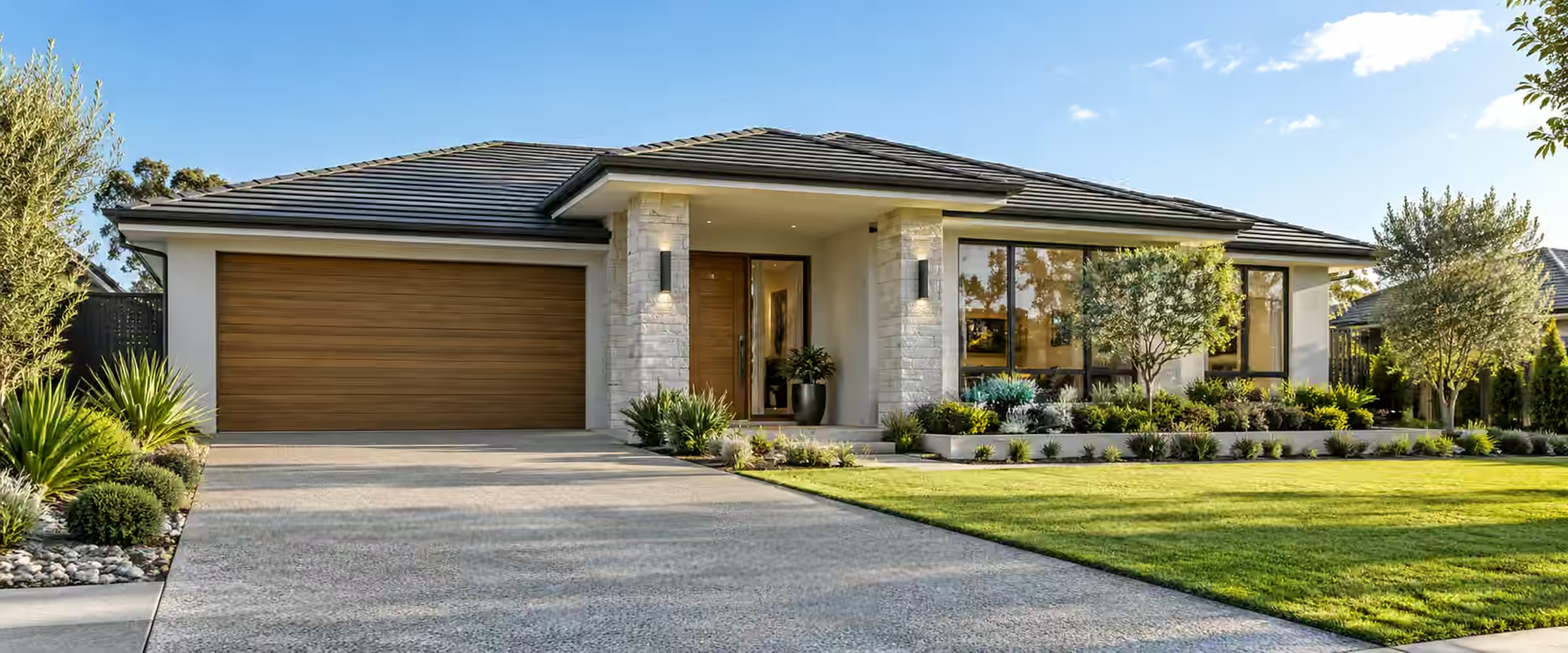
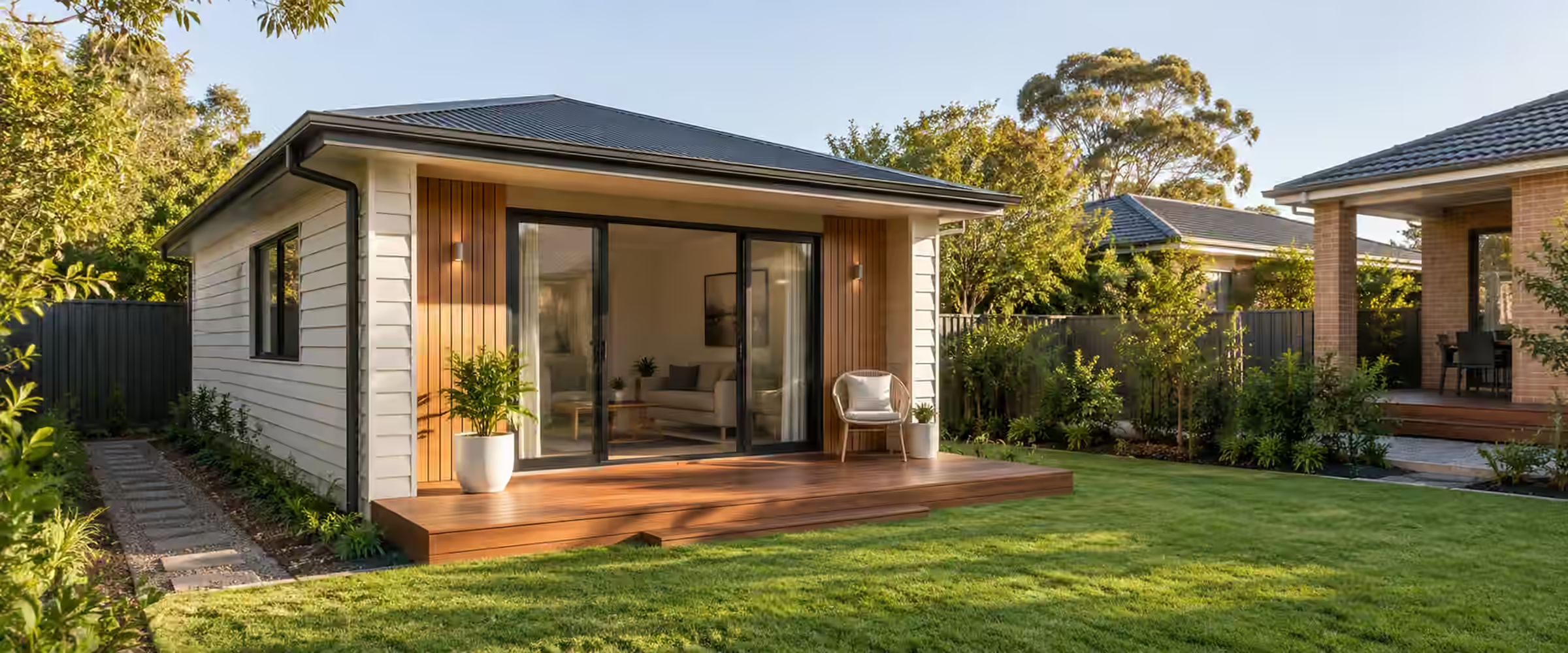
Two of the most common projects. See the full list on our building types page.
Common issues
Three things owners get caught by
Each one can delay the occupation certificate.
Start
Work begins too early
Work cannot start until a principal certifier is appointed and notice has been given.
Changes
Plans change on site
If the approved design changes, the approval may need modifying first.
Finish
Moving in before the OC
A new home cannot lawfully be occupied until the occupation certificate is issued.
Your protections
Checks to make before signing a building contract
Certification tests the building against its approval. You, as the one paying, are protected by a different NSW law (Home Building Act 1989). Most of those protections need to be set up before you make the first payment.
Sources: NSW Government: Contracts for residential building work; SIRA: Home building compensation; NSW Government: Owner-builder permit requirements; NSW Government: Step by step guide to choosing the right tradesperson or builder. General information only; requirements depend on your lot, design and approval.
What must my contract include?
Home building work over $5,000 including GST needs a written contract. Work from $5,000 to $20,000 can use a small job contract. Work over $20,000 needs a large job contract. It must include a progress payment schedule, the legal warranties and a checklist you should be able to tick yes to before signing.
Deposits are capped at 10% of the price. Large job contracts come with a cooling-off period of 5 clear business days. Within 5 business days, the builder has to hand you a copy of the signed contract. Progress payments should reflect work completed, not time elapsed. Variations (changes to the job) must be written, signed by both parties, and explain how the cost was calculated. For a contract over $5,000, you must receive the Consumer Building Guide from the builder before signing.
Do I need building insurance?
Unless an exemption applies, work costing more than $20,000 including GST must carry home building compensation cover. No deposit or other payment can be requested until the cover is in place and you hold the certificate. The HBC Check tool on Verify NSW lets you confirm a policy exists for your address.
This cover is a last resort. It pays when the builder cannot finish the work or fix defects because they are insolvent, have died or disappeared, or had their licence suspended for not paying a court or tribunal (NCAT) money order. It lasts 6 years from completion for major defects and 2 years for other loss. Extra time to claim may be available in some cases.
What warranties do I get?
The law builds warranties into every home building contract, even if not written in. The work must be done with due care and skill, follow the plans, use suitable new materials and comply with the law. It must be finished in the agreed time, or a reasonable time. The home must be reasonably fit to live in. Warranties last 6 years for major defects and 2 years for other defects, from completion. Arbitration clauses that try to limit your options are void.
Building it yourself, and checking a licence
Running the job yourself means getting an owner-builder permit where labour and materials exceed $10,000 and the work requires a DA or CDC (approval from council or a private certifier). For work of $20,000 or more, approved owner-builder training is also needed. Generally only one permit is issued in any 5 years, unless it relates to the same land or special circumstances apply.
Whoever builds, check their licence on Verify NSW before you sign. Make sure it is current, covers the work, and belongs to the party named on the contract. A licence held by a person does not cover their company or partnership.
A cost to budget for before approval
Once a job's value reaches $250,000 (GST included), the NSW long service levy applies, charged at 0.25% of that value. The person applying for the approval, or the person the work is being done for, pays it. A CC or CDC cannot be handed over until the levy is paid, so work cannot start before then.
Owner-builders holding a permit may qualify for a reduction of up to 50%, claimed when paying or within 12 months afterwards. If the work never begins and the approval lapses or is cancelled, a refund may be available.
Telling neighbours about a CDC
In metropolitan areas, a certifier or council must write to neighbours within a 20 m radius 14 days before certain CDCs can be approved. No formal notice is needed at this point in residential release areas, or in most of regional and rural NSW.
After the CDC is issued, the job of telling neighbours falls to you as the applicant. Written notice goes to neighbours within 20 m of your lot boundary ahead of any work. In metropolitan areas the minimum is 7 days. In regional, rural and residential release areas it is 2 days. The notice is for information only, and neighbours cannot lodge a submission against complying development.
Who answers for what on your build
Your builder must follow the stamped plans and is answerable for the work of subcontractors. You, as the applicant, must make sure every consent condition is met, including any that fall due before work starts or before occupation.
When the job is finished, the certifier decides whether the home is suitable to occupy. That decision does not cover the quality of fittings and finishes, which is a contract matter for you and the builder. For an independent view on finish quality, the NSW Government suggests considering a building consultant to walk through the home with you before handover.
Handover and the final payment
Do a walk-through with your builder before handover. Take the contract and inclusions list, photograph anything missing, damaged or incomplete, and agree in writing when each item will be fixed.
Pay the final amount only once the builder has dealt with those items and given written notice that the work is complete. Your contract may also set a defects liability period, often 13 weeks for a new home, so confirm how long yours runs.
Keep a folder with the contract and every variation, the plans and specifications, proof of each progress payment and your home building compensation policy details. Add the OC and trade certificates when they arrive. You may need any of these if a defect appears years later.
If a problem with the work comes up
Raise it with the builder promptly and confirm any agreement in writing, using a method that proves delivery, such as email. If that fails, Building Commission NSW runs a dispute resolution service for defective or incomplete residential building work, including damage to a neighbouring property. Where the matter is still unresolved after that referral, an application to the NSW Civil and Administrative Tribunal (NCAT) may follow.
Keep the certifier's role in mind. Contract disputes, delays and cost overruns sit outside it, because the certifier regulates compliance with the approval and the NCC, not the commercial deal. A concern about how a certifier has acted is a separate matter, handled through a complaint to Building Commission NSW.
More sources: NSW Government: Long service levy; NSW Planning Portal: What to tell your neighbours; NSW Planning Portal: MyHome Planner, post-build; Building Commission NSW: What certifiers do; Building Commission NSW: Complaints about certifiers; NSW Government: Owner-builder permit requirements. General information only; requirements depend on your lot, design and approval.
Your questions, answered
Questions from homeowners.
What owners ask us most before work starts.
Ask us about your projectCan my builder appoint the certifier for me?
No. The owner, or another person entitled to rely on the approval, appoints the principal certifier. Builders are not allowed to make the appointment or sway your choice, and a builder can only do so where the approval is in its own name. You can weigh a builder's suggestion, but sign the certification contract yourself and read the government information sheet that comes with it. Check that the certifier holds the right class of registration for your home or structure, and that the registration and insurance are current, before you sign.
What if a stage is not inspected?
Speak to your principal certifier straight away, because a skipped inspection can block the occupation certificate for the affected work. Once work is covered, it cannot simply be checked after the fact. The certifier may ask for parts to be opened up or for further evidence, and in some cases the OC may leave the affected element out. Neither a builder's letter nor a council building information certificate can stand in for the missed visit. Ask your builder how bookings are handled and check that against the list of required inspections you were given.
When can I move in?
You can move in once the occupation certificate covering the work is issued, and not before. Receiving keys at practical completion does not give permission to occupy. The OC comes after the last site inspection and a review of the completion documents. Your lender may want the OC before releasing the final payment to the builder, and moving in before that payment can breach your contract unless the builder agrees in writing. Plan the final inspection, OC, final payment and moving day together, leaving room for any items the certifier asks to be fixed.
Can you certify an owner-builder project?
Yes, we can act on owner-builder projects for Class 1 and Class 10 work. A permit is required when the job's value tops $10,000 and it needs a DA or CDC, and approved training applies from $20,000. A permit carries the same responsibility for the work as a licensed builder, including booking each critical stage inspection and collecting certificates. It does not cover electrical, plumbing, gasfitting or air-conditioning work unless you hold that licence. You may also qualify for a long service levy reduction of up to 50%.
Services for owners
Where most owners start.
Guidance: the Environmental Planning and Assessment Act 1979 and the Codes SEPP. Requirements depend on your lot, design and approval.
Where we work
Certification for homeowners across NSW
We work in 39 council areas, from Newcastle and the Central Coast through Greater Sydney and the Blue Mountains to Lithgow, the Southern Highlands and the Illawarra. Local rules shape every approval, so start with your council or suburb.
Council areas
- Bayside Council
- City of Newcastle
- City of Parramatta
- Hornsby Shire Council
- Inner West Council
- Shellharbour City Council
- Sutherland Shire Council
- Wollongong City Council
Local planning notes by suburb
See all 39 council areasPlanning your build?
Start with the right pathway.
Share the site address and drawings. You will get confirmation of the approval required and a written quote.